


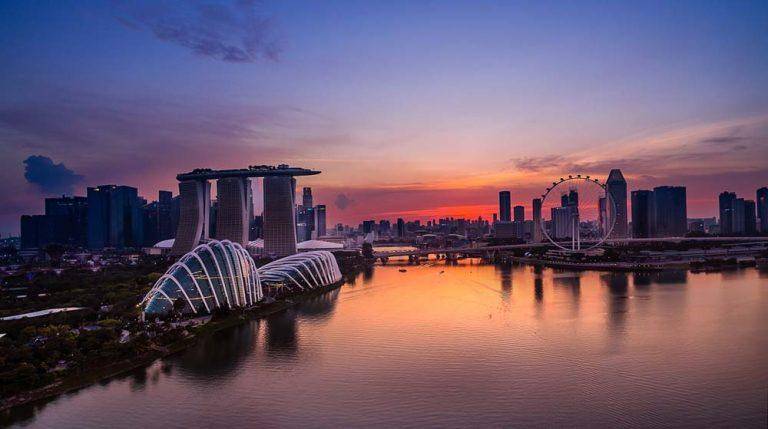
Sunset architecture photography of Singapore Skyline

HDR sunset image

Marina Bayfront

Rochor HDB estate

aerial photography of windsor park
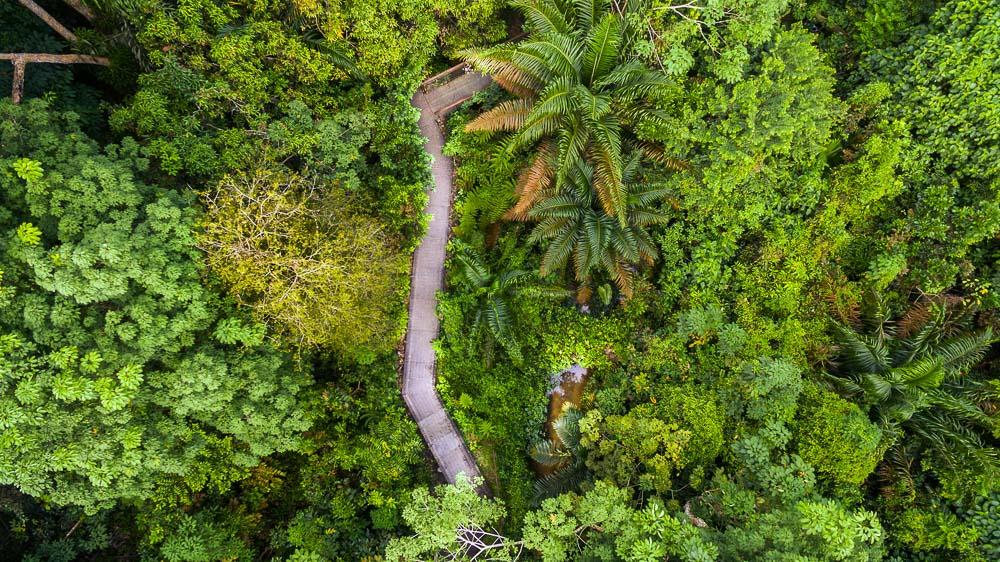
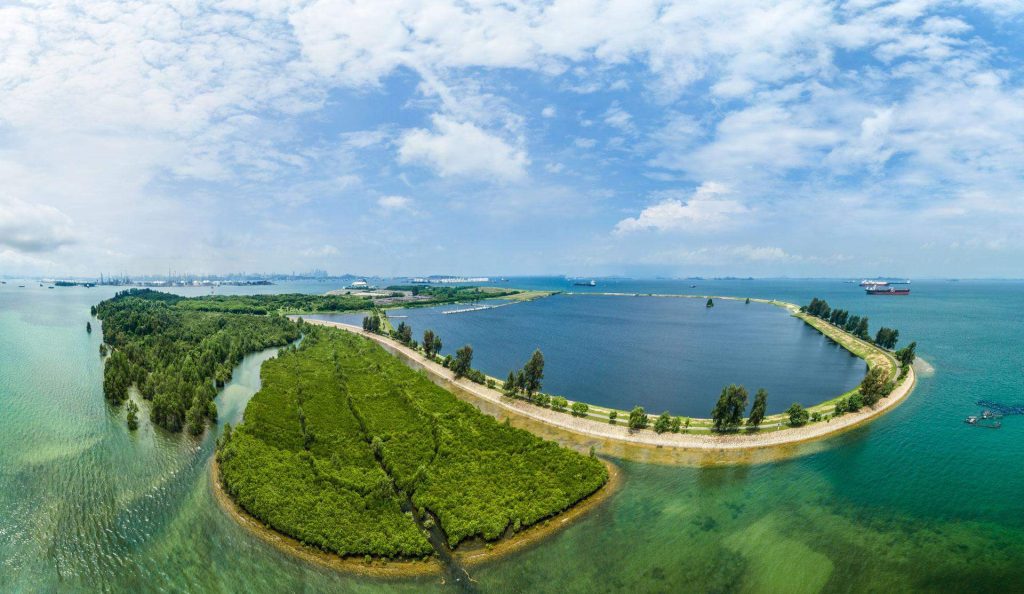
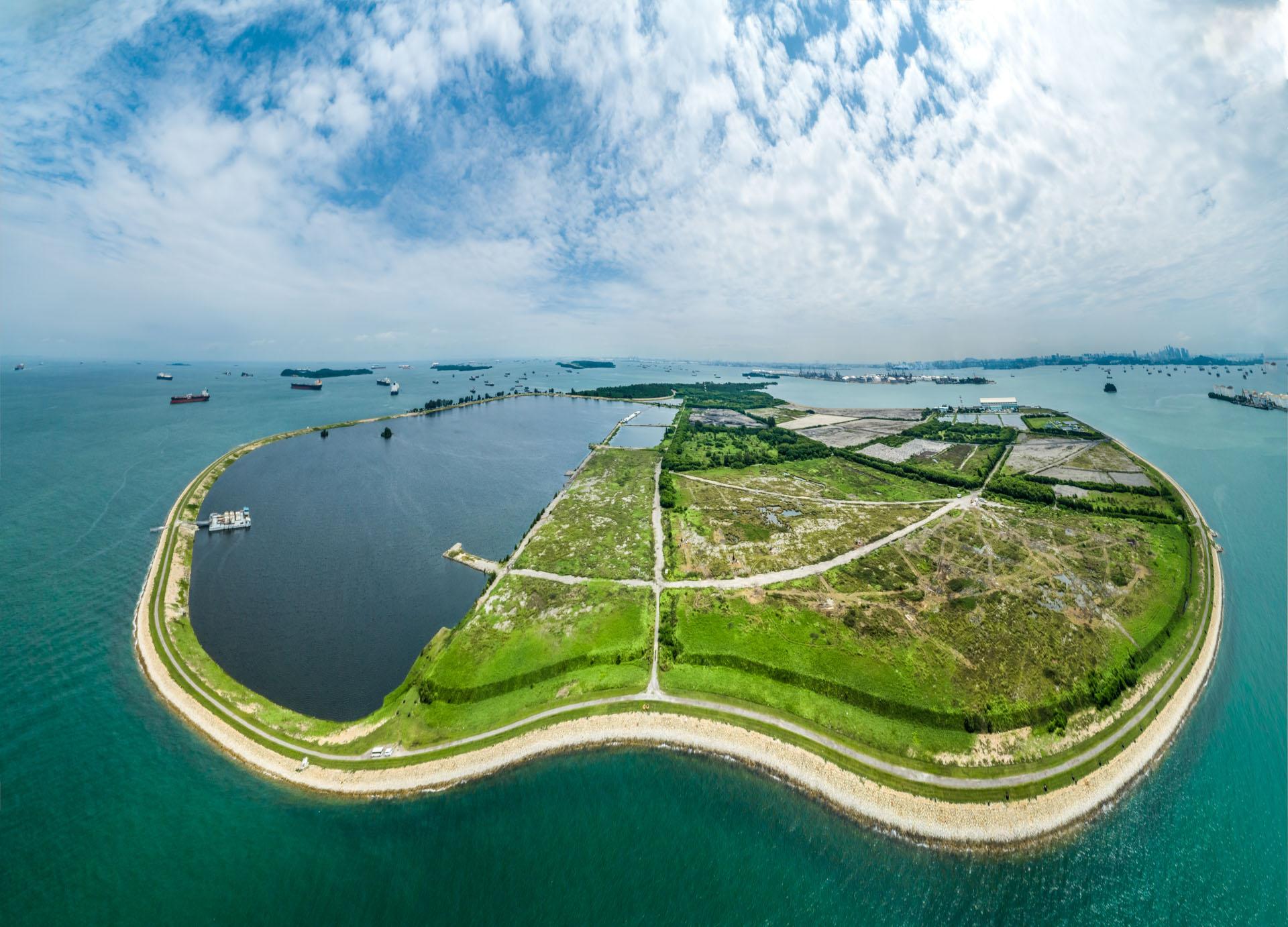
Semakau landfill 360
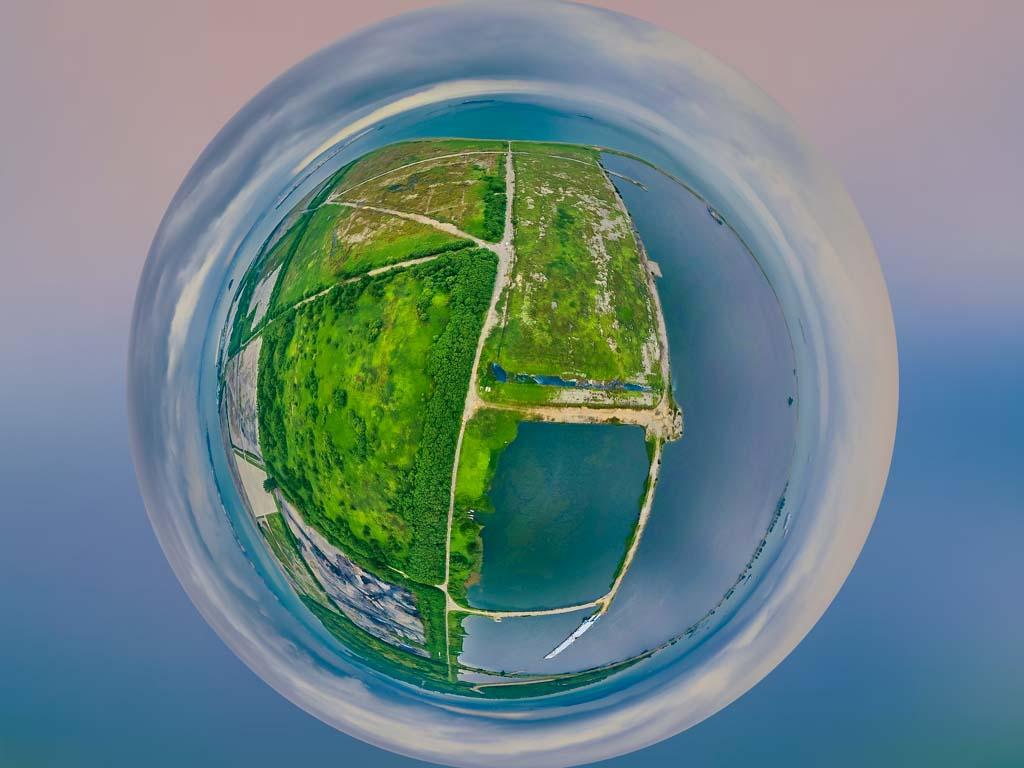
Semakau — the Island Whole

The Bund from Directly Above — Semakau

The Waste Run
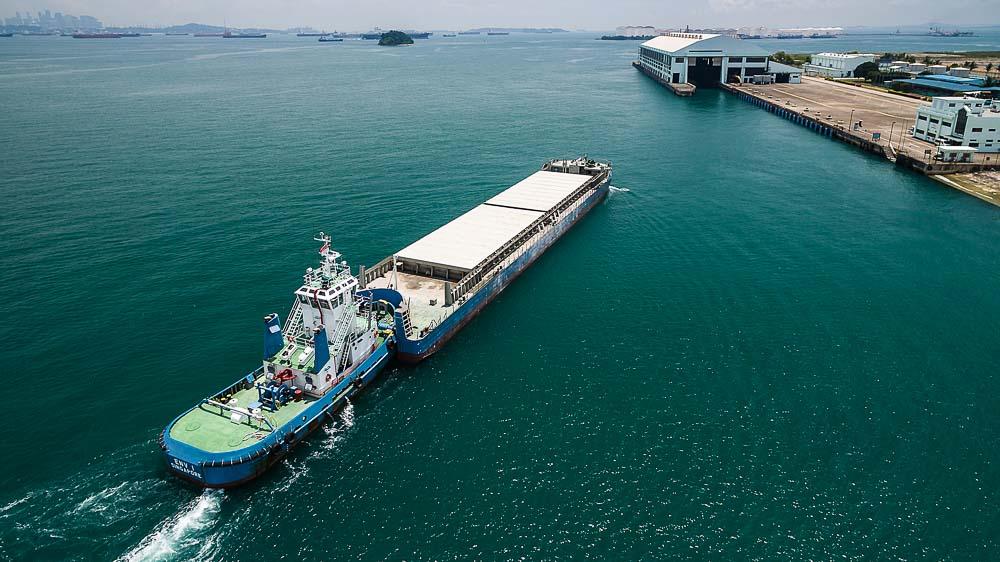
Closing the Loop — Ash to the New Cell, Semakau

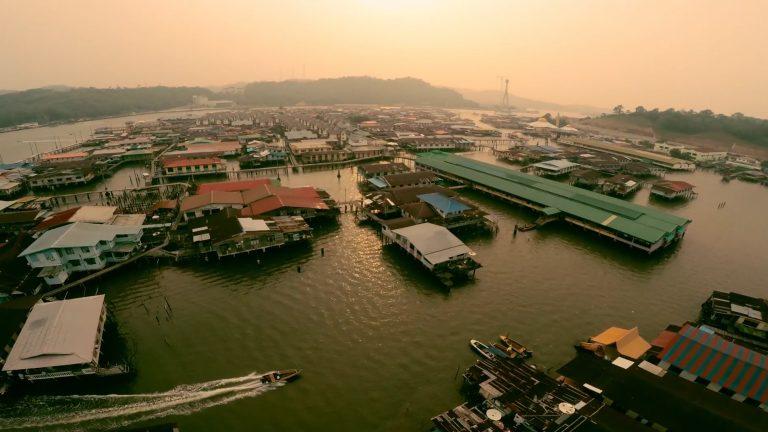
Kampong Ayer at Dusk — Brunei

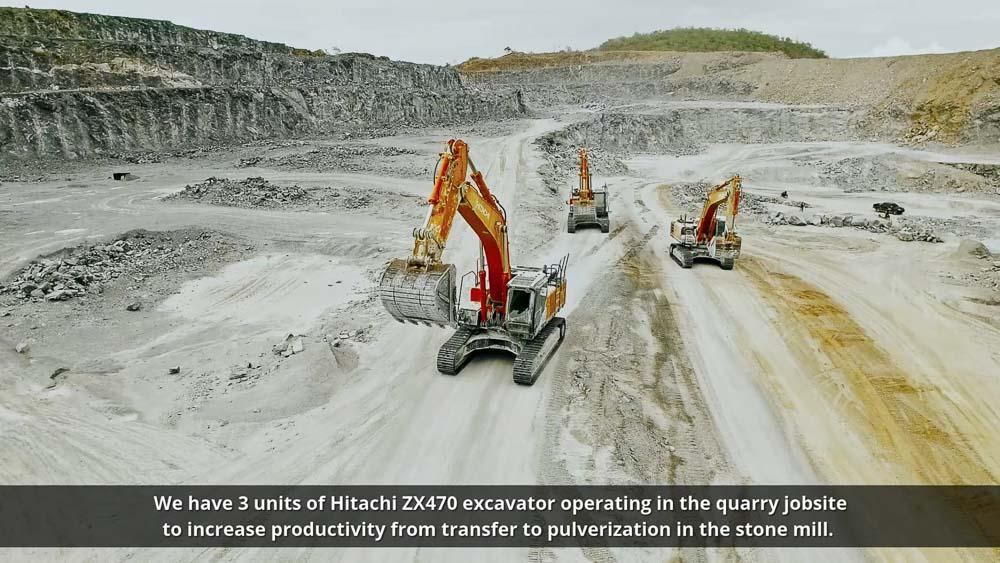
The Blast Cycle — Thai Quarry Excavators
Coal at Balikpapan — the ZW220 at Work

The Palm Kernel Jetty — Tanjung Bruas, Melaka

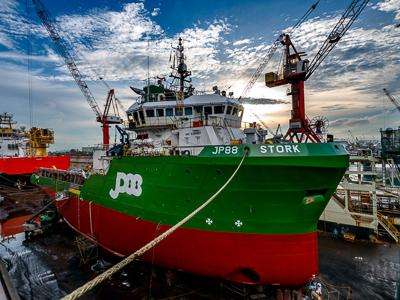
Drone photography for marine craft shipbuilding
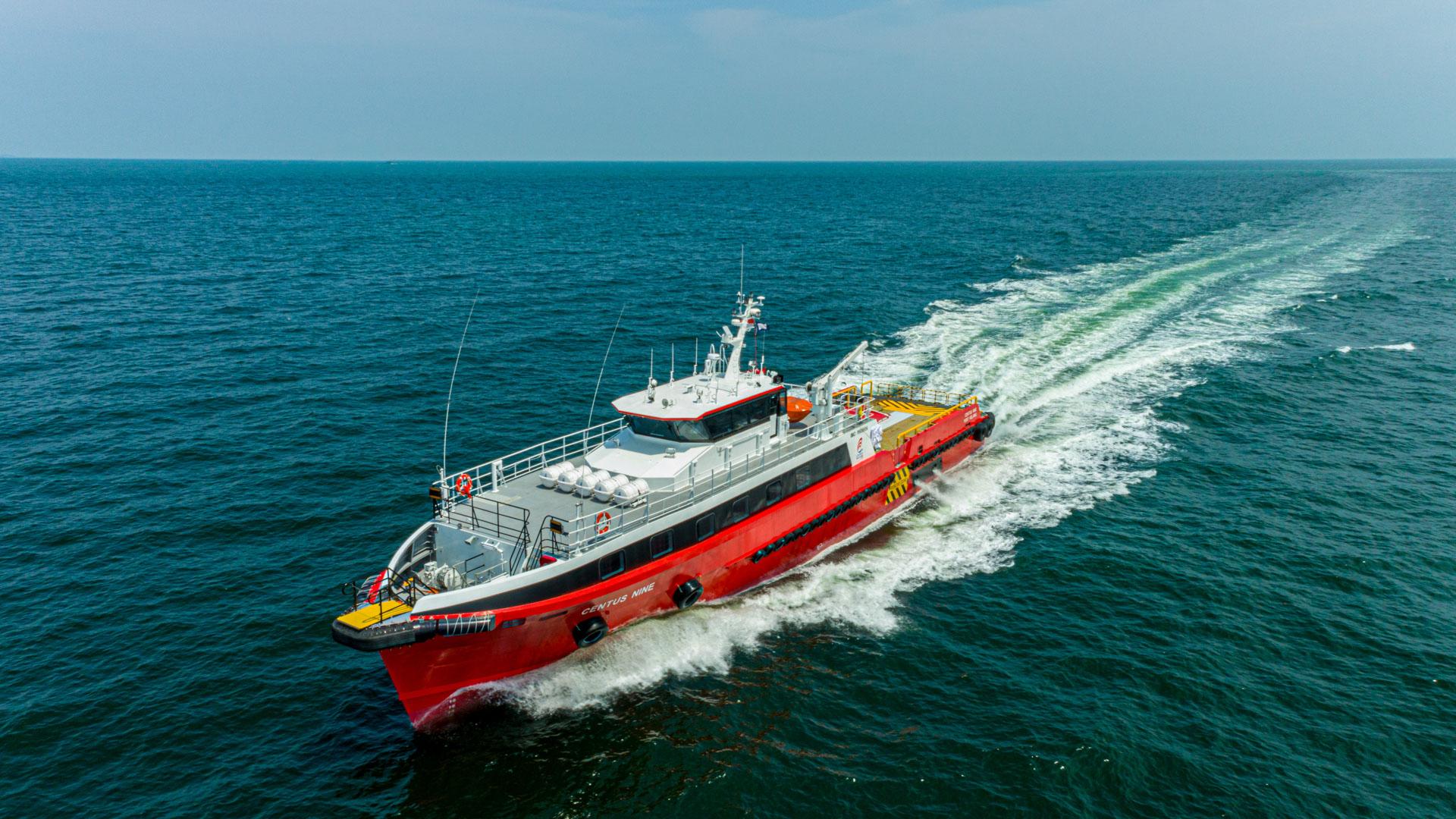
Marine vessel during Sea Trial

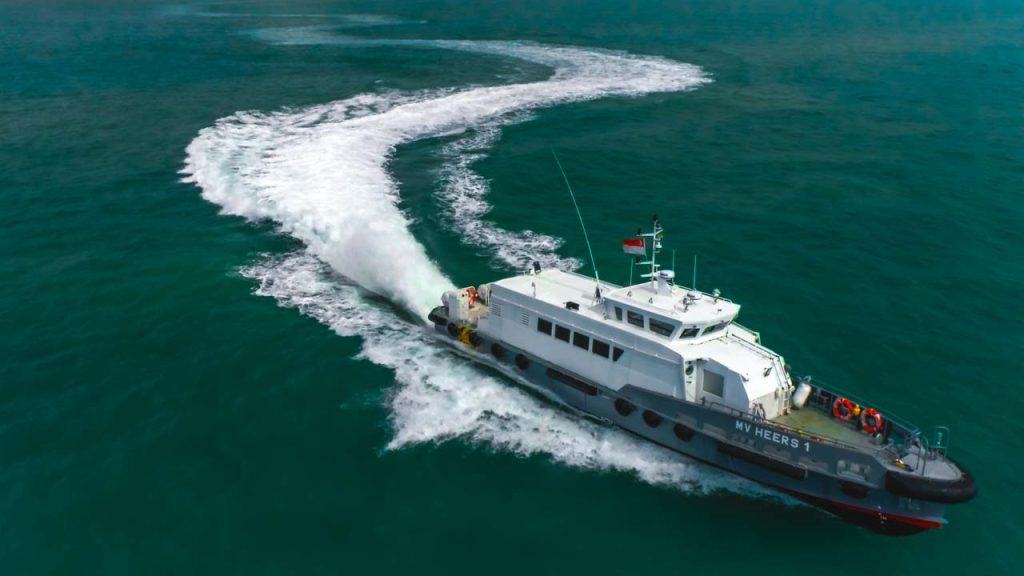
Fast Interceptor — Full Power
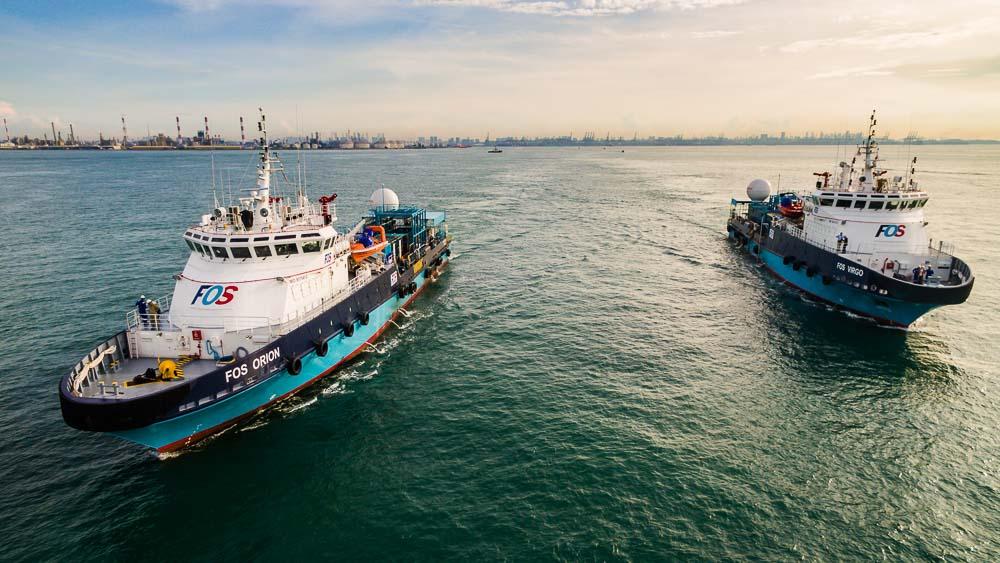
aerial photography of 2 vessels
Rozphil
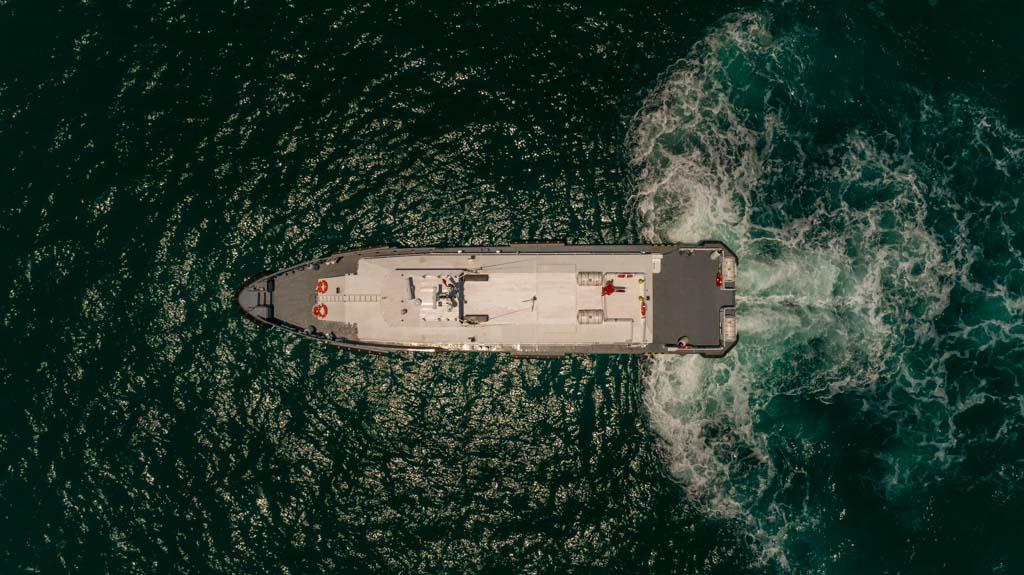
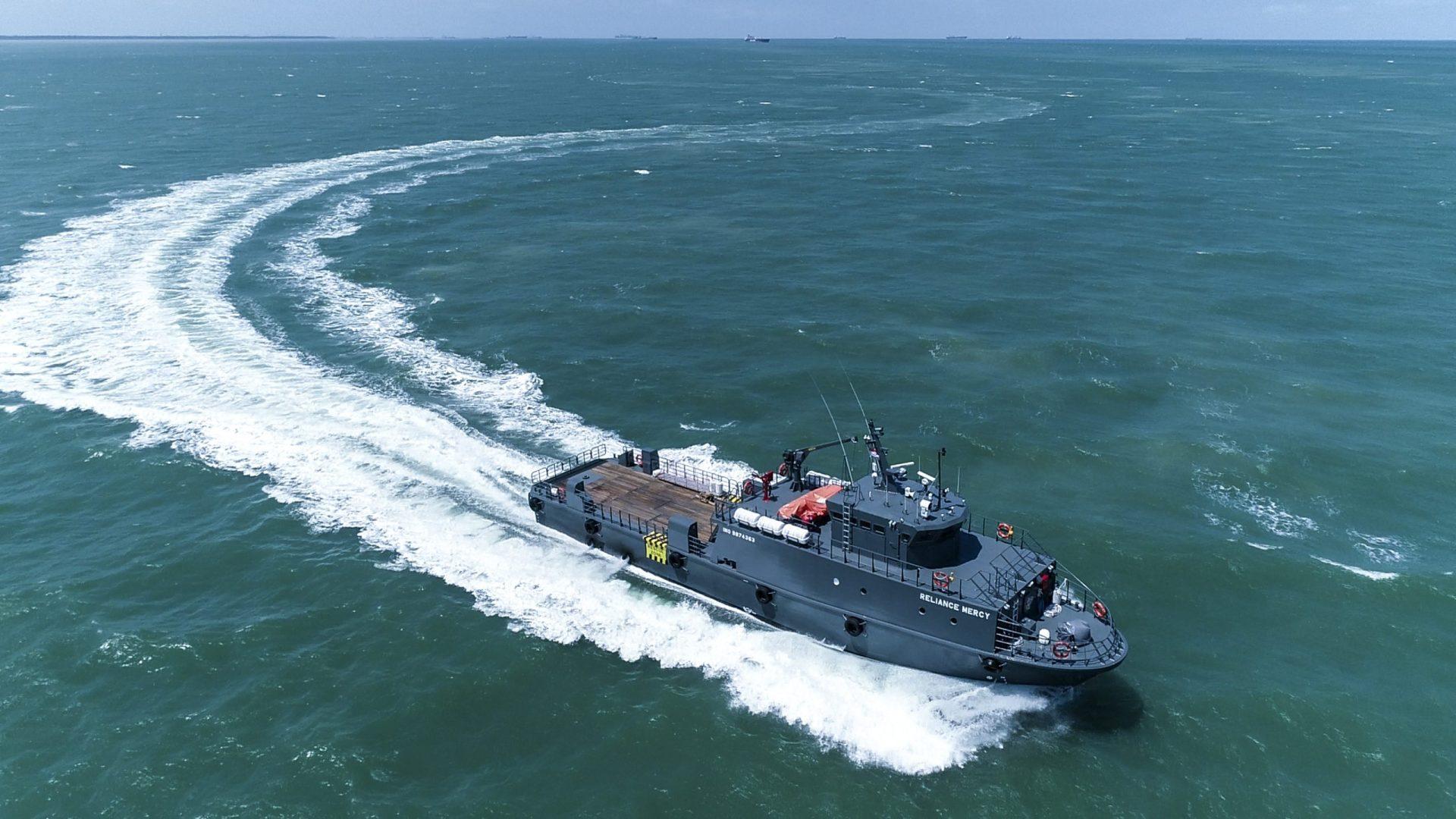
The Turning Circle — Interceptor Sea Trial

Head-On at Speed

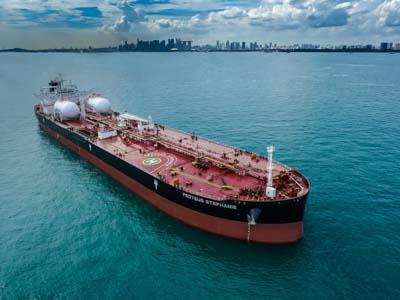
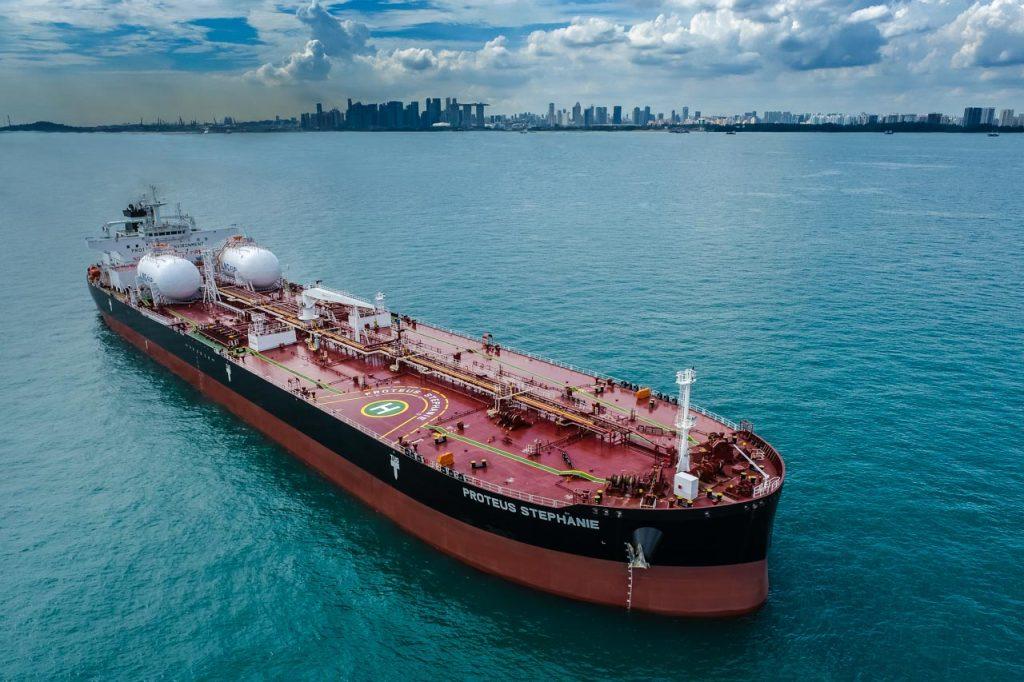
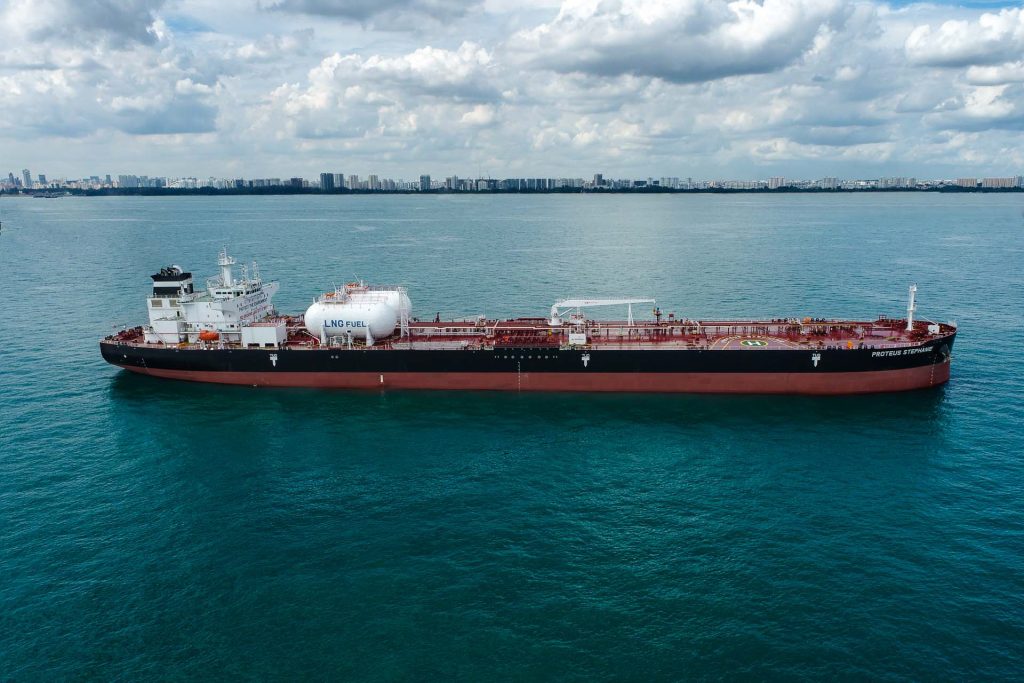
MT Proteus Stephanie Aerial Photography and videographySingapore
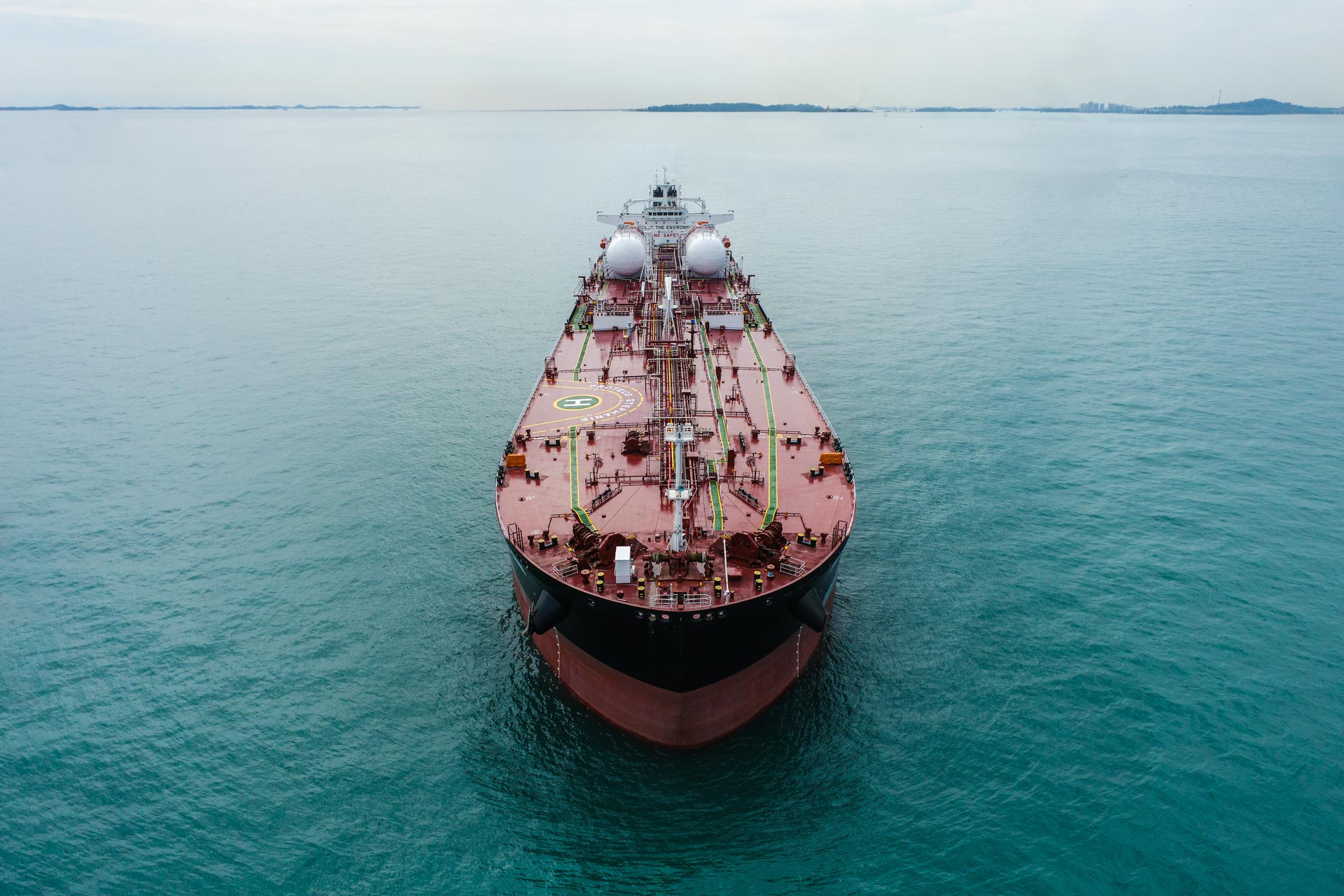
Oil Tanker Aerial – MT Proteus Stephanie Singapore Aerial Photography and videography

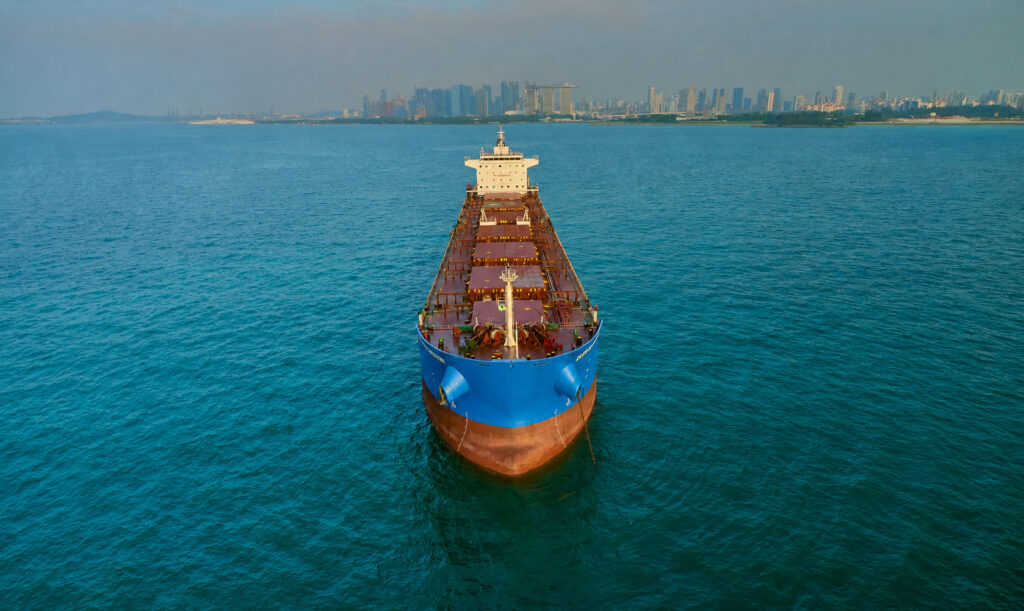
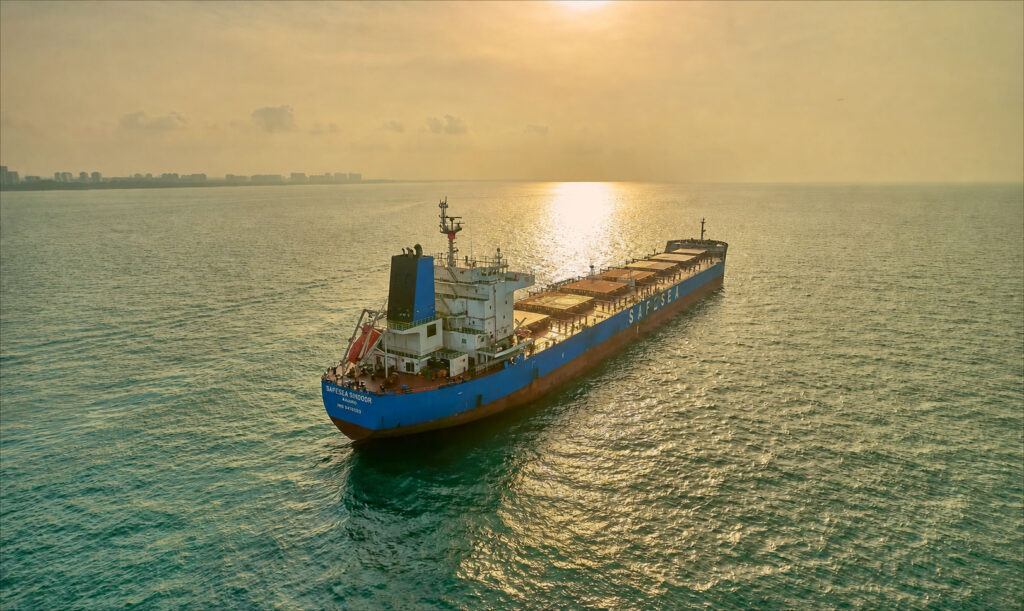
Cargo Ship at Sunset — Safesea Sindoor at Anchor
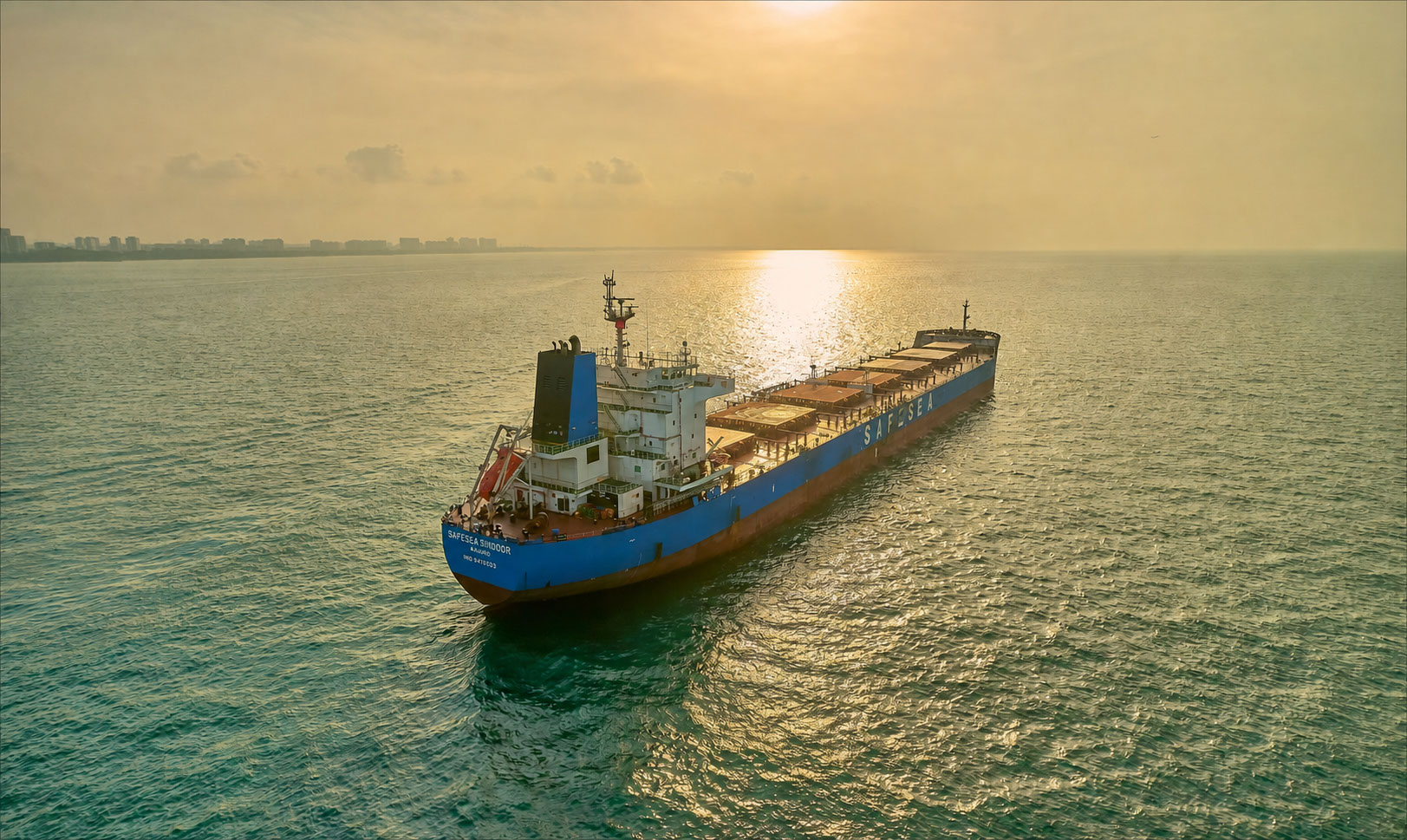
Cargo Ship Aerial — Safesea Sindoor, Singapore Anchorage
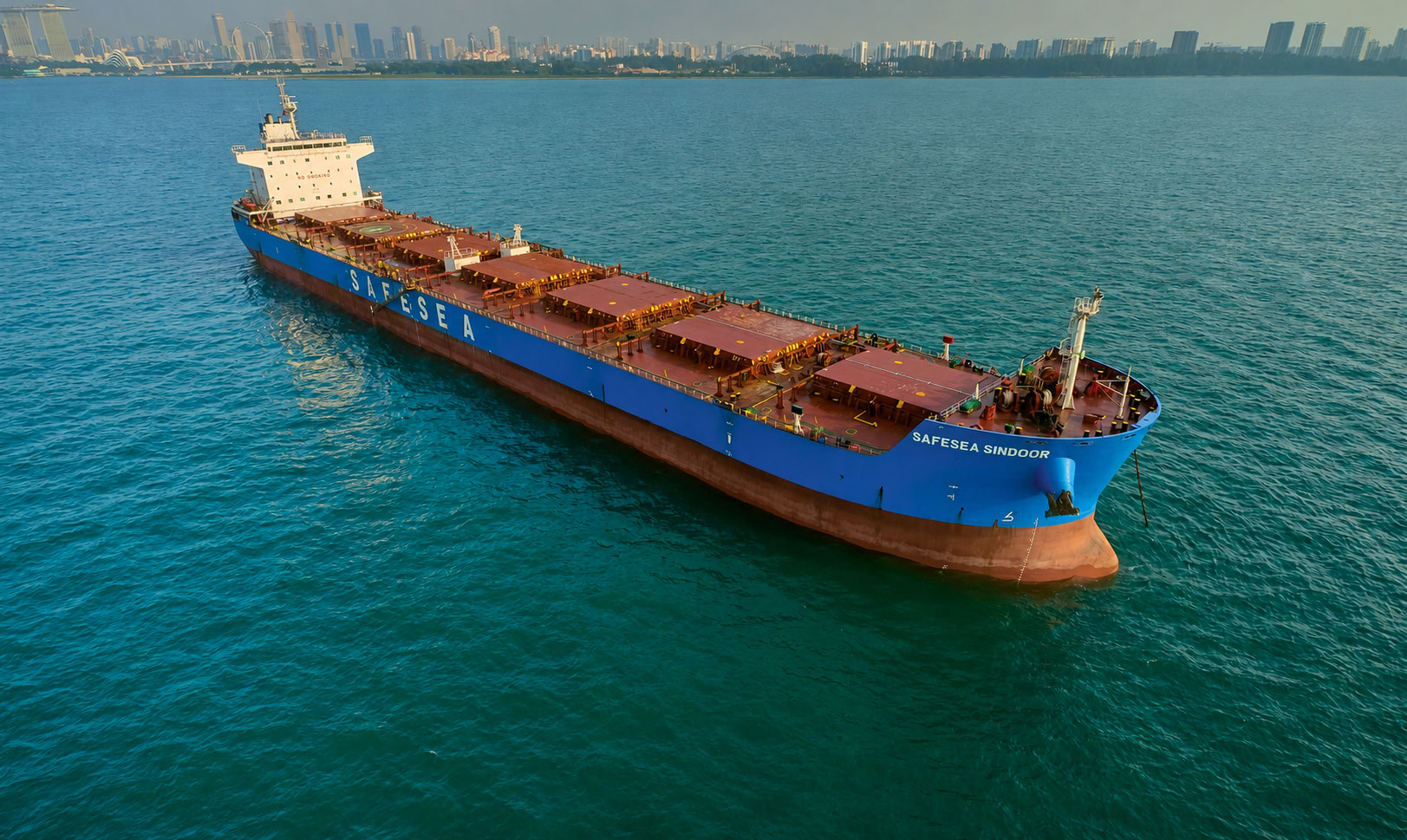
High-end aerial photography is not a matter of altitude. A drone is just a camera position. The photograph is made by what happens next. It depends on where the subject sits, when the light falls, and how the final image is graded. As an aerial videographer and photographer, Tuckys builds each frame the way a cinematographer builds a shot. The tools are composition, colour grading and control of the light. Tuckys Photography applies them to working vessels, industrial sites and landscapes across Singapore. As a result, the work is artistic in the strict sense. It amplifies its subject rather than simply recording it. Singapore aerial photography and Singapore drone videography here serve Singapore industrial photography and Singapore maritime photography clients: plants, yards, vessels and offshore structures. Tuckys Photography also delivers Singapore industrial videography, Singapore maritime videography, Singapore editorial photography and Singapore corporate video production for the same clients, to the same commercial standard.
Aerial Visual Artistry – Composition, colour grading and the control of light
You can see the method in the frames on this page. For example, Tuckys Photography shot a bulk carrier straight into the sunset. She sits across the sun’s reflected path, so the light meets her broadside. The whole field is then graded warm. Her blue hull is left as the only cool note in the image. Because of that single choice, your eye stays on the ship rather than on the sky. Saturation is kept deliberately low, because when everything is pushed, nothing dominates. This is visual storytelling in a single frame. Each image carries the decisions of the few minutes in which it was made.


Portfolio of artistic aerial images and videos
That artistry rests on hard-won access and operational discipline. For instance, Tuckys holds a CAAS (Civil Aviation Authority of Singapore) drone operator permit. Tuckys Photography has flown for the National Environment Agency (NEA), private developers and government agencies. That work covers Semakau Landfill’s offshore island, construction progress surveys and marine vessel operations. Much of it takes place in restricted and controlled airspace. In short, the craft makes the pictures. The experience makes them possible where few others can fly.
Tuckys Photography’s Singapore operators have held their licences since 2015. Tuckys Photography has experience in acquiring UAV permits for UAV operations prior to the shoot.
Drone videography by a Singapore aerial videographer


Need your vessel photographed at anchorage?
Tell Tuckys Photography the vessel name, the anchorage and your dates. The team will tell you straight away what is possible.
Oil tankers at anchor – aerial photography at Singapore vessel anchorages

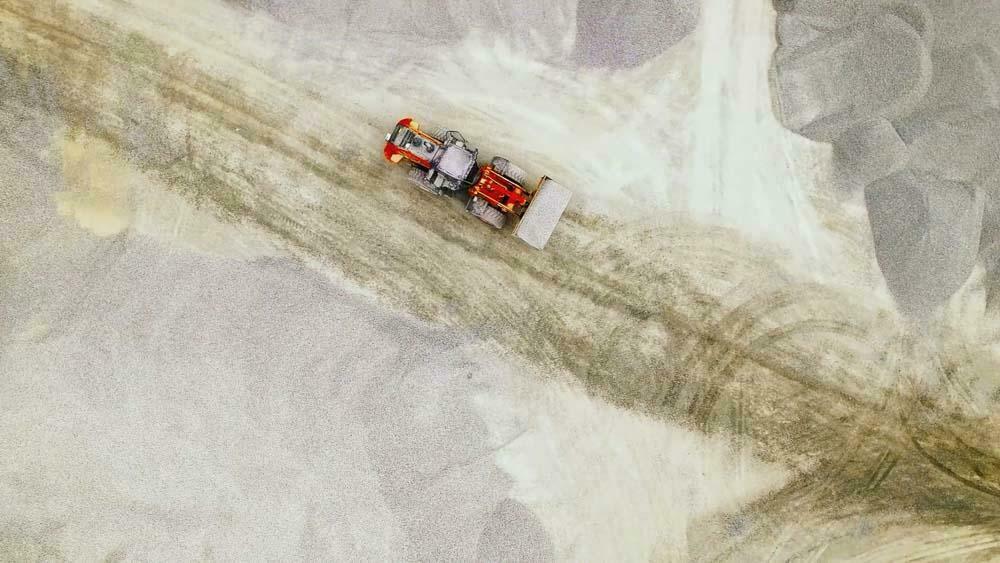
Construction and heavy machinery, photographed from the air

Offshore and marine vessels in Singapore waters
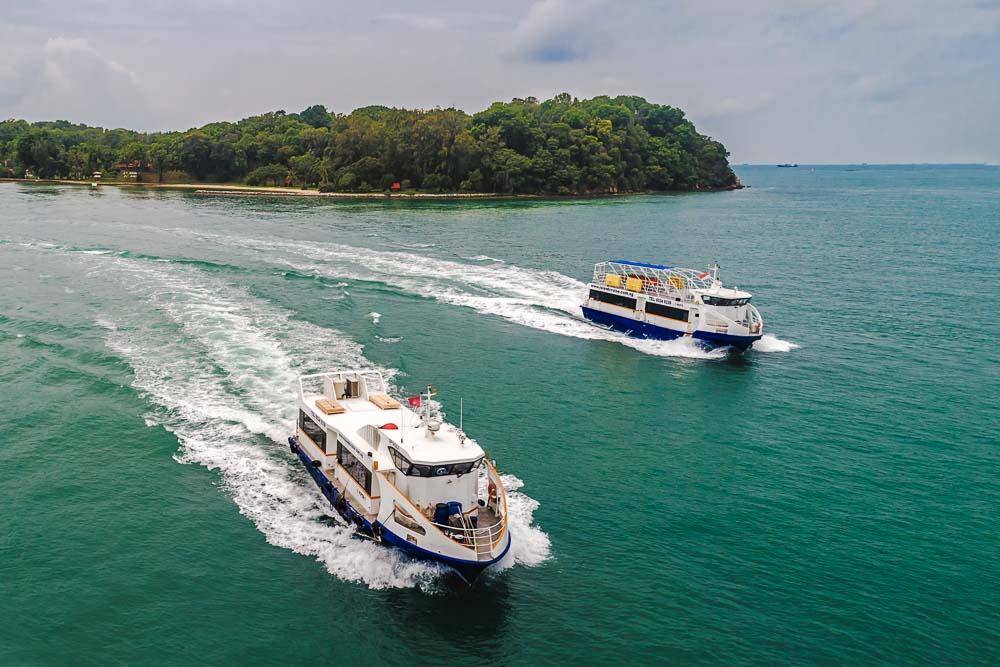

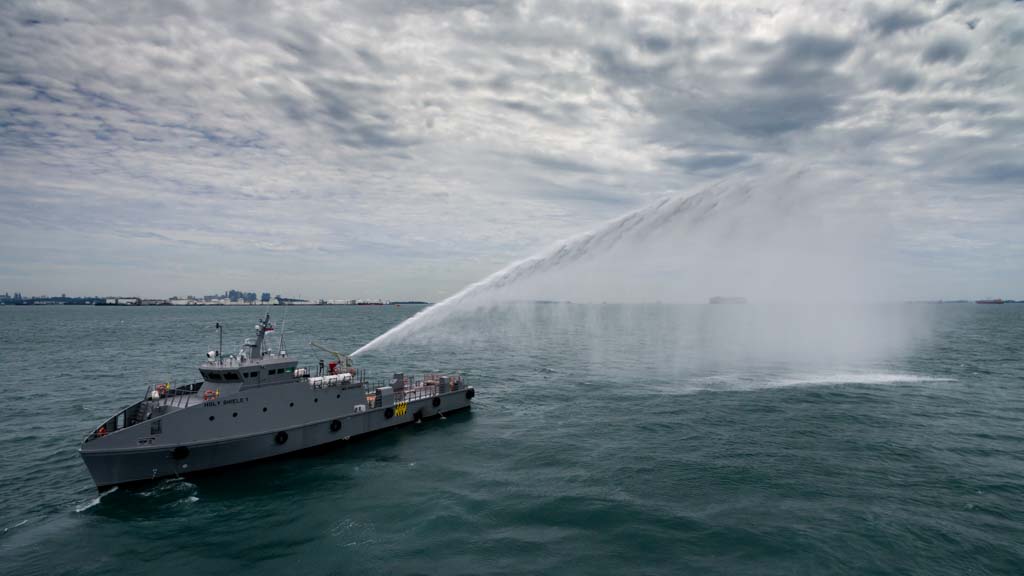
Dramatic Aerial Shots of Maritime Vessels in Action
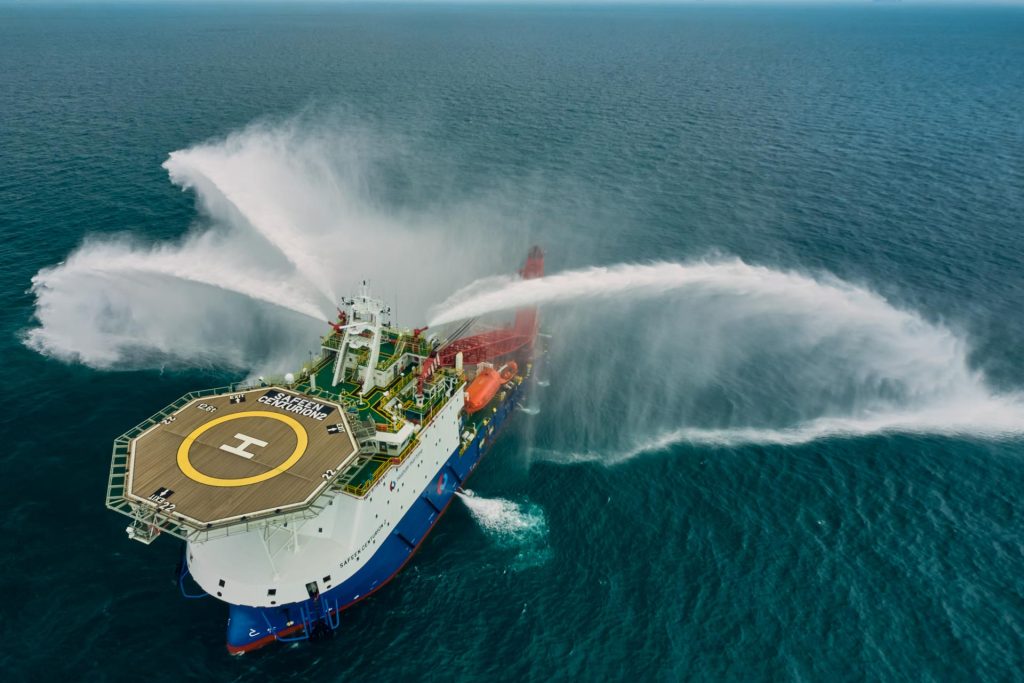
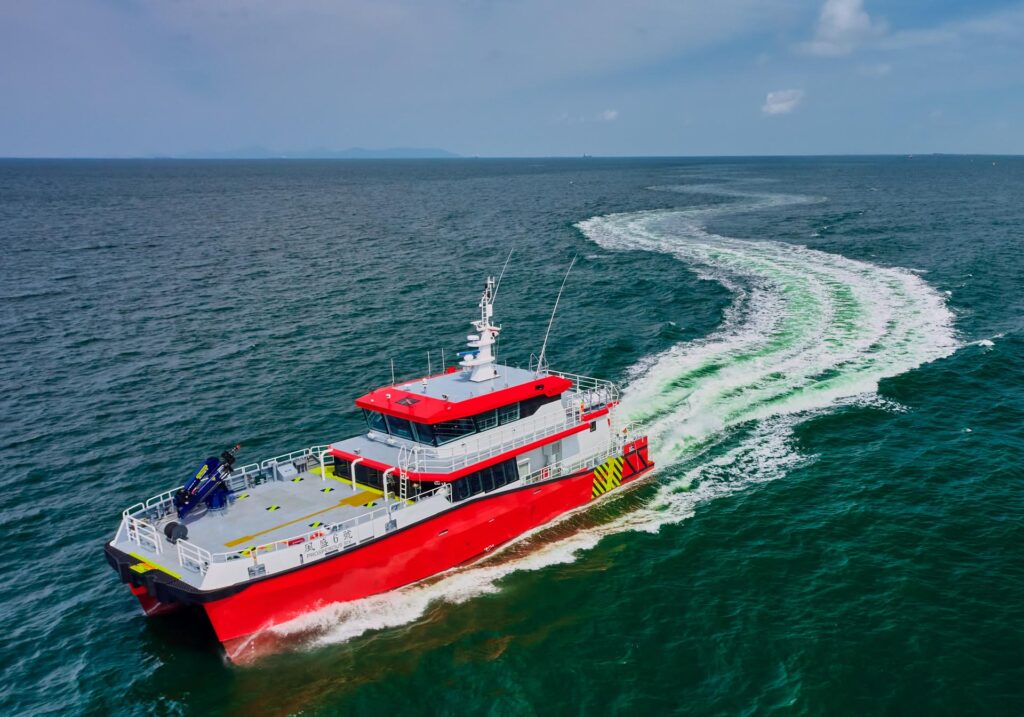
Working the angles


Tuckys flies drone photography in Singapore as a CAAS-licensed drone operator, with the same pilots handling drone videography and aerial videography in Singapore for industrial, marine and architecture clients.
Industrial aerial photography of plants and yards, marine aerial photography and offshore drone photography of vessels at sea, construction aerial photography for progress records, architecture aerial photography and cityscape aerial photography for developers, and vessel aerial photography for maritime marketing are delivered as stills and as aerial video production, with drone filming in Singapore cut to broadcast standard.
A CAAS-licensed drone operator in Singapore delivers aerial photography services and drone videography services for developers, contractors and shipowners: aerial construction progress photography, drone inspection photography of roofs and structures, aerial shipyard photography, drone photography for real estate marketing and aerial cityscape video for brand films. The aerial work is Singapore commercial photography for the brands that own these sites, and Singapore editorial images when the press needs the view from above.
Aerial and drone services
Drone photography services Singapore clients book and aerial photography services Singapore projects need are flown by CAAS-licensed pilots, with the stills and the film captured on the same sortie so the two match.
Frequently Asked Questions — Aerial Photography & Videography Singapore
Where is the artistry in Tuckys Photography’s aerial photography, compared with a drone service?
Most aerial providers sell flight capability — a licence, a platform, a pilot — and the photograph is a by-product. Tuckys Photography’s work begins with the picture instead. A drone grants access to a viewpoint and nothing more; whether the result is high-end or merely high up depends on the same crafts as any photograph: composition, colour grading and control of the available light. They are the disciplines a cinematographer applies on the ground, and they are the difference between an aerial photograph and aerial documentation.
What does Tuckys Photography mean by colour grading in a photograph?
Grading is a post-production craft from film, and it is deliberate rather than corrective. For example, in one frame of a bulk carrier at anchor, the whole field is graded warm. Her blue hull becomes the only cool element in the image, and that is what holds your eye on the ship. Saturation stays low on purpose, because when everything is pushed, nothing dominates.
How does Tuckys Photography handle difficult light at altitude?
You cannot add light from the air. Control therefore comes from timing, angle and range. Timing means working the few minutes when artificial light balances the sky. Angle means placing the subject across the light rather than beside it. Range means holding both ends of the exposure — no blown sun, no crushed shadow. This is harder than working with flash, not easier.

How does storytelling work in a single still image?
A photograph tells its story through the decisions visible inside it. Working vessels and live industrial sites do not pause. As a result, the frame is usually built in a single pass, within a light window measured in minutes. Where the horizon sits, which element stays cool, what is left out — every choice is made in that time. The image carries the evidence of those decisions, and that is what makes people look twice.
What permits does Tuckys Photography obtain to fly a drone in Singapore?
Tuckys Photography obtains the flying permit from the Civil Aviation Authority of Singapore (CAAS). Where CAAS requires it, the studio also obtains clearance from the other relevant authorities, such as the Republic of Singapore Air Force (RSAF) or the Maritime and Port Authority of Singapore (MPA).
What types of projects is aerial photography used for?
A wide range of Singapore industries use aerial photography and videography. Common applications include construction and development progress documentation, real estate and architecture marketing, and infrastructure surveys. Similarly, the team covers marine and offshore operations, environmental monitoring, resort and hotel content, and event overviews. Tuckys Photography has produced aerial content for government environmental agencies, private property developers, offshore marine operators and hospitality brands. Notably, each one needs different altitudes, camera angles and flight planning.

What drones and cameras does Tuckys Photography use for aerial shoots?
Tuckys Photography’s aerial videographer operates professional-grade drones equipped with high-resolution cameras capable of shooting up to 4K video and 20-megapixel stills. The studio’s equipment supports DNG image capture and ND filters for exposure control in bright Singapore conditions. In addition, stabilised gimbal systems deliver smooth, cinema-quality footage.

Can aerial footage be combined with ground-level photography and videography?
Absolutely. Tuckys Photography plans aerial and ground-level production together, so the two read as one body of work. The studio provides both aerial and ground-level video and photography, as shown in its work, and its aerial videographer keeps the grade and framing consistent. Consequently you get a comprehensive visual package, produced in one session or a series of sessions, depending on the scope of the job. This works particularly well for construction and development documentation, real estate marketing, resort and hotel content, and infrastructure projects. In those cases dramatic aerial overviews and ground-level detail together tell a more complete story. Combined packages ensure visual consistency across all your assets.
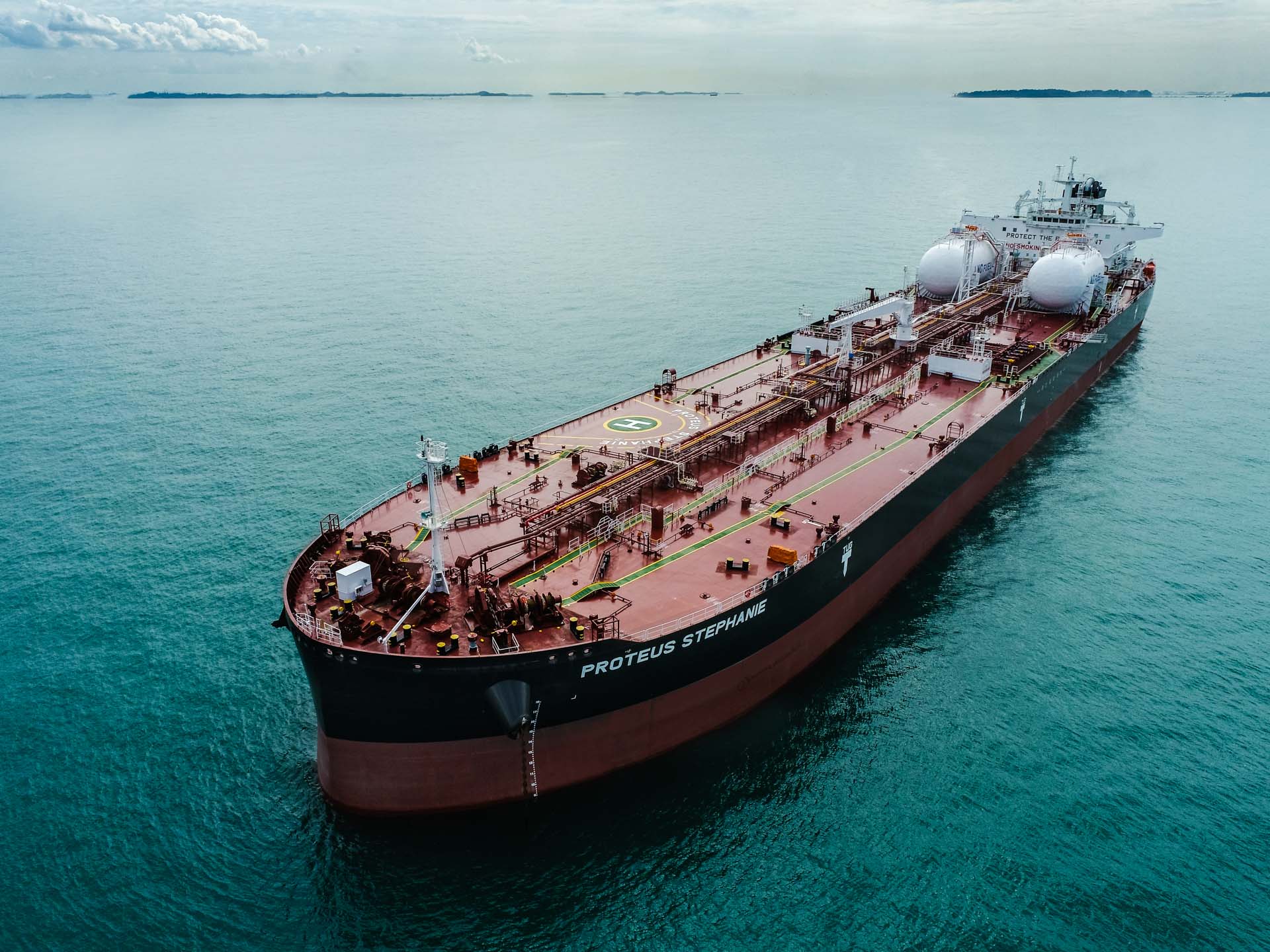
Does Tuckys Photography photograph and film vessels at anchorage in Singapore?
Yes. Ships at anchorage in Singapore waters are a regular part of Tuckys Photography’s aerial work — tankers, tugs, crew boats, and offshore support and utility vessels. The team flies from shore, keeping the aircraft within visual line of sight, or from the vessel’s own deck when attending on board. Shipowners use the images to document a delivery and handover, to build a condition and survey record of hull, deck and superstructure, to build a fleet library for marketing and tenders, and to give brokers imagery for sale or charter listings. Prominence is not the same as size: open water around the ship, a graded field that leaves her hull colour as the only note of its kind, and the sun’s reflected path make the eye land on the vessel first — and a large technical frame is shot as well when a brochure needs one.
Related Services