




Industrial Photographer Singapore for National Environmental Agency Waste Management
This commissioned series for the National Environment Agency follows Singapore’s waste from the moment it arrives to the moment it is buried at sea. Household refuse enters the bunker at the Tuas South Incineration Plant, held below atmospheric pressure so the smell cannot escape. Crane operators feed the incinerators from air-conditioned cabs, with duplicate cranes and hoppers so the line keeps running through maintenance. What remains leaves by barge, covered so nothing blows away on the crossing, and ends in the cells at Semakau Landfill, enclosed by a seven-kilometre rock bund. The industrial photography here covers the whole procedure, on the plant floor, from the deck of the refuse tug and from the air.
Photographs from this series have been published by the National Environment Agency and in The Straits Times, and on the NEA website.
Waste management system

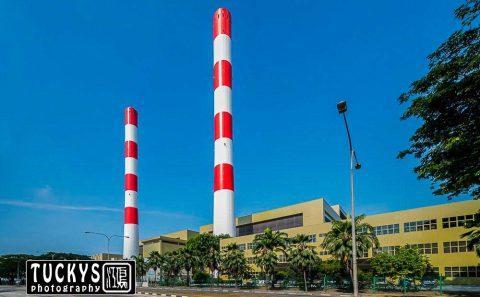
Tuas South Incineration Plant collects all the household refuse in Singapore before burning them.
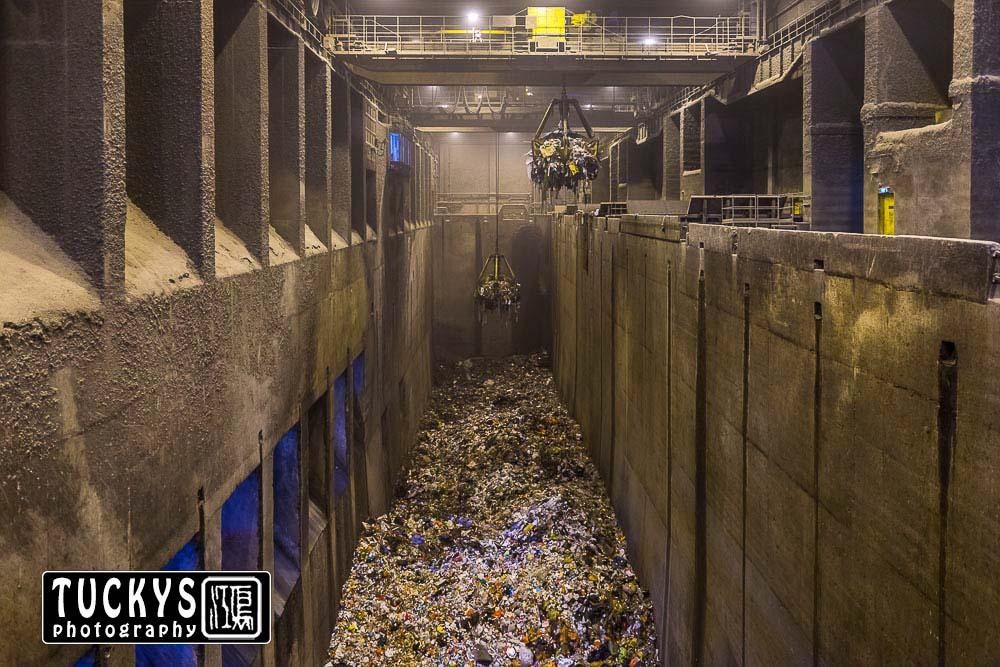
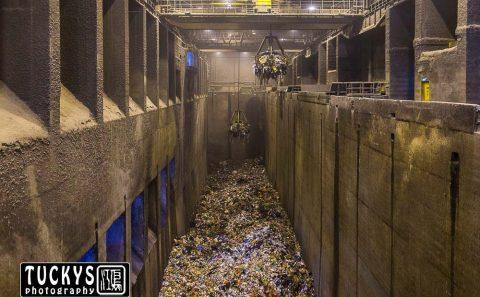
This refuse bunker collects all the daily refuse, thus in order to prevent the smell from escaping, the pressure is lower than the atmospheric pressure.
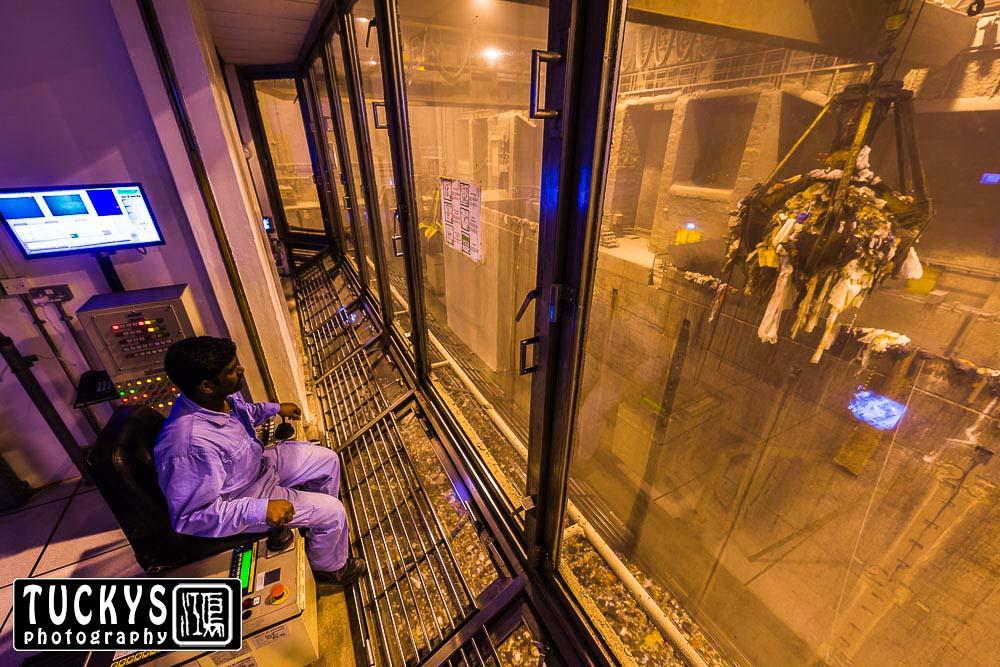
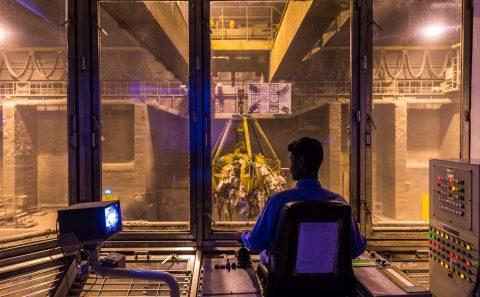
Crane operators seats in a safe air-conditioned room while feeding the refuse to the incinerators.
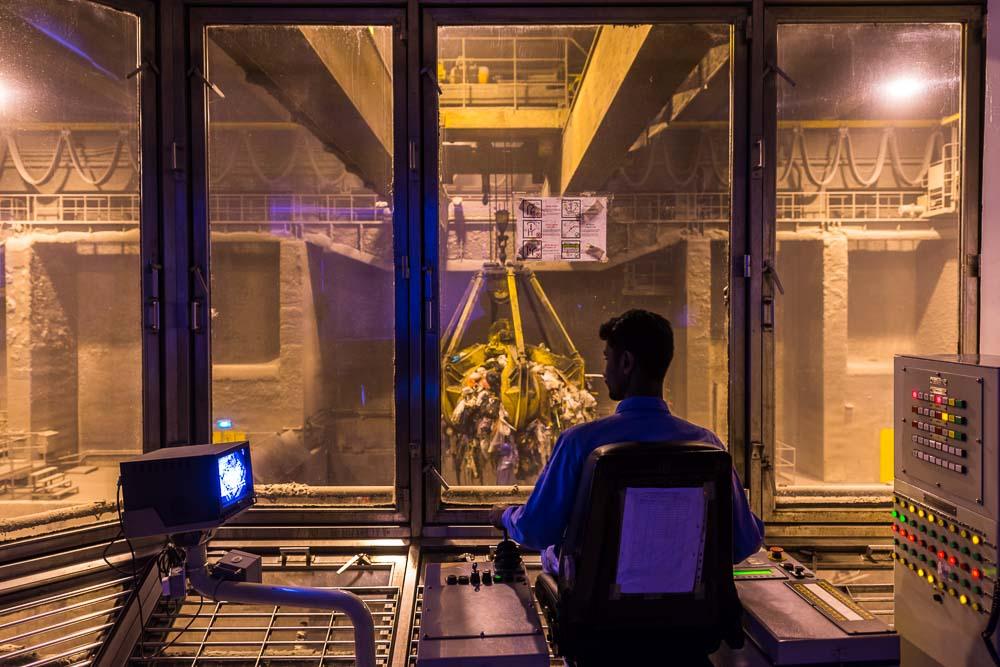
There are multiple cranes and hoppers so that during regular maintenance, the process will still remain working.

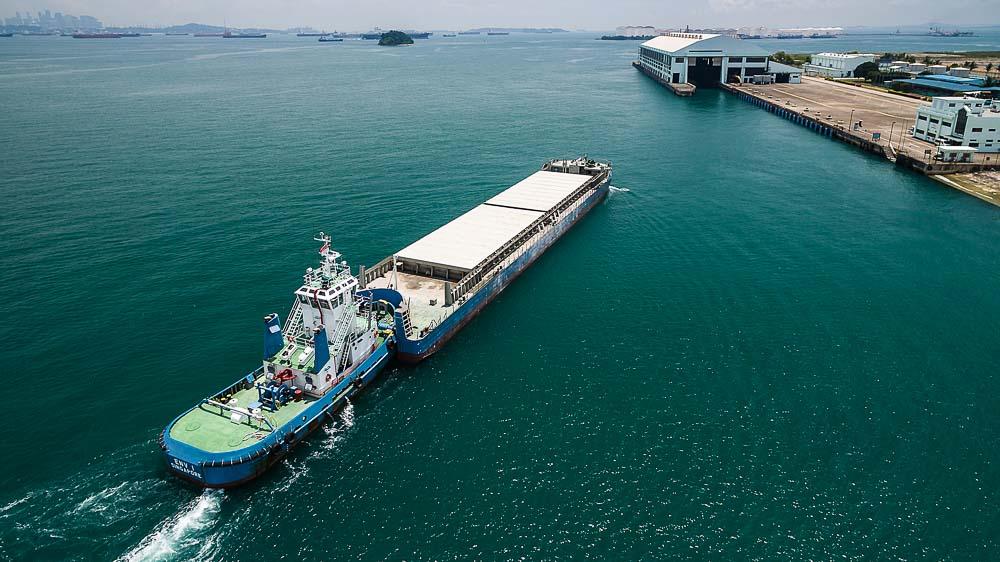
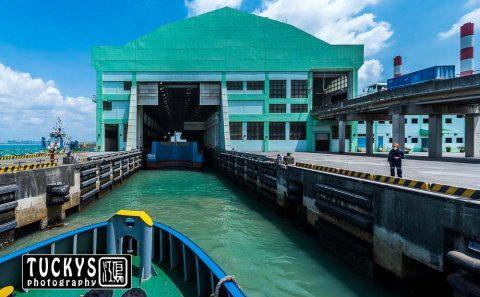
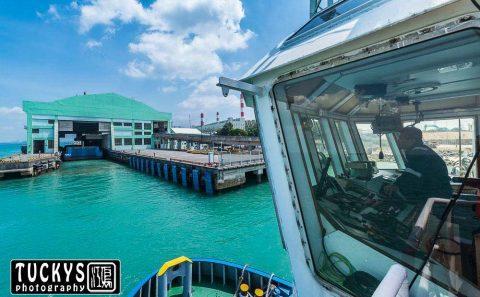
A view of the Tuas Marine Transfer station from the deck, on the refuse tug boat.
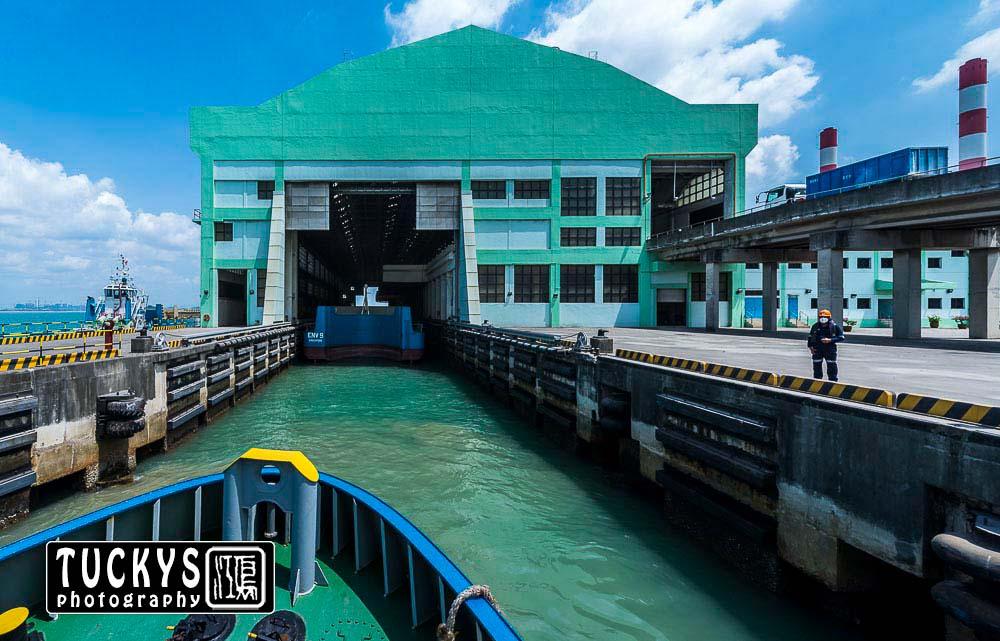
As the tug boat approaches the Transfer station, it needs to line up with the entrance before it can pick up the refuse barge,
Singapore Industrial Photographer at Pulau Semakau
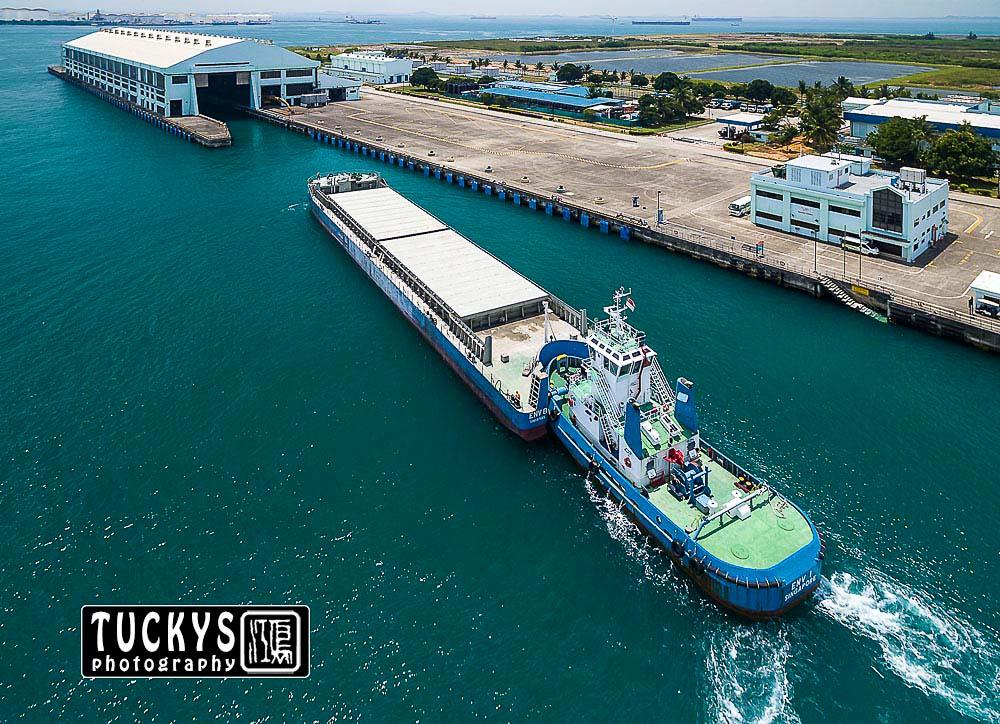
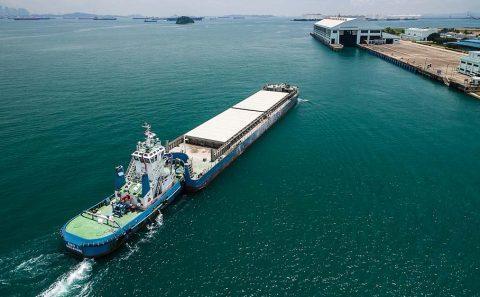
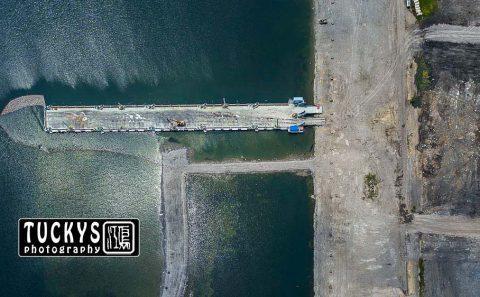
An aerial photo by our Industrial photographer while shooting the commissioned project at Pulau Semakau in Singapore. The barge carries the ashes from the incinerator. Hence it needs to be covered to prevent the ashes from being blown away during transportation.

The extra large dump truck transports the ashes from the barge to dump them into the landfill cell.
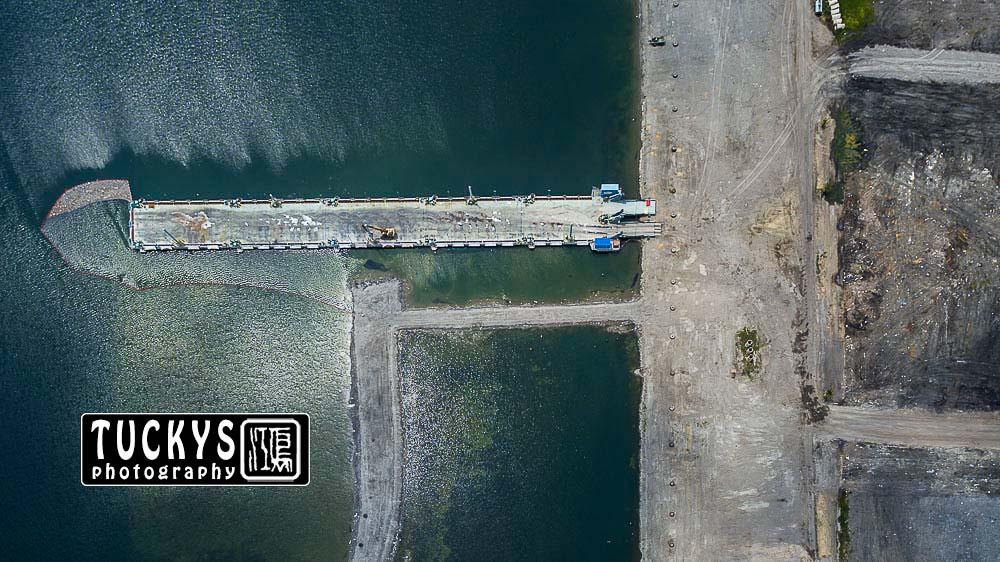
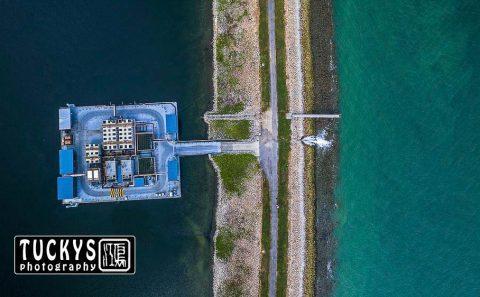
Aerial photography of the floating platform which the trucks rely on to get to the middle of the cell.

The water treatment plant treats the landfill’s water before releasing it into the sea.\
Semakau landfill Aerial Photography with Industrial photographer Singapore
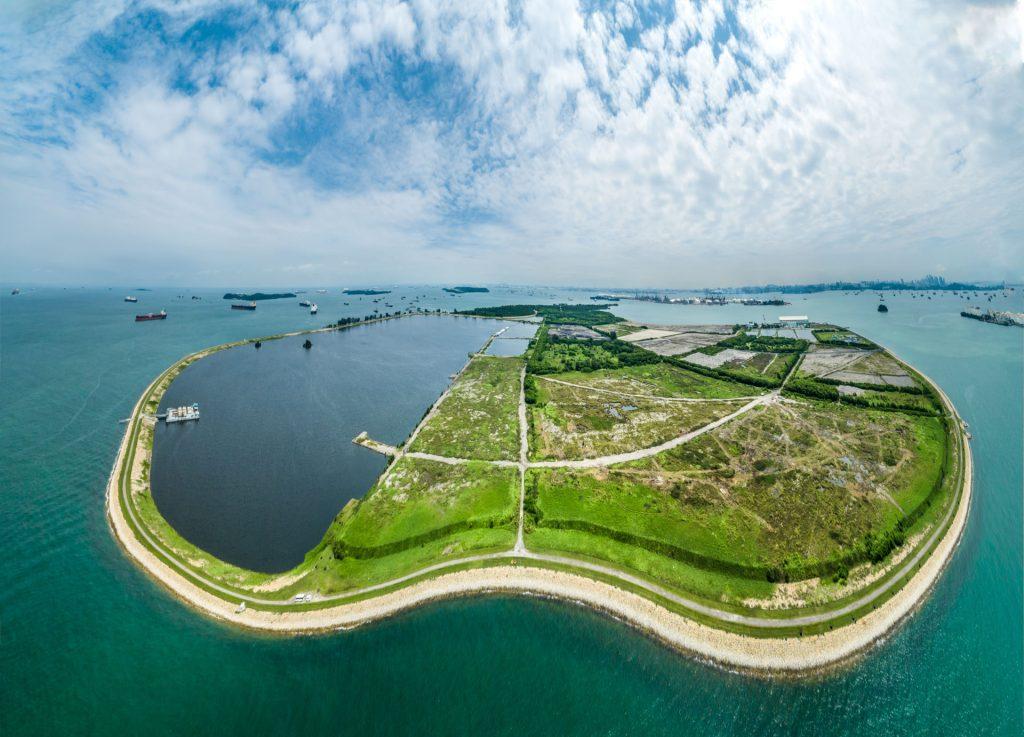
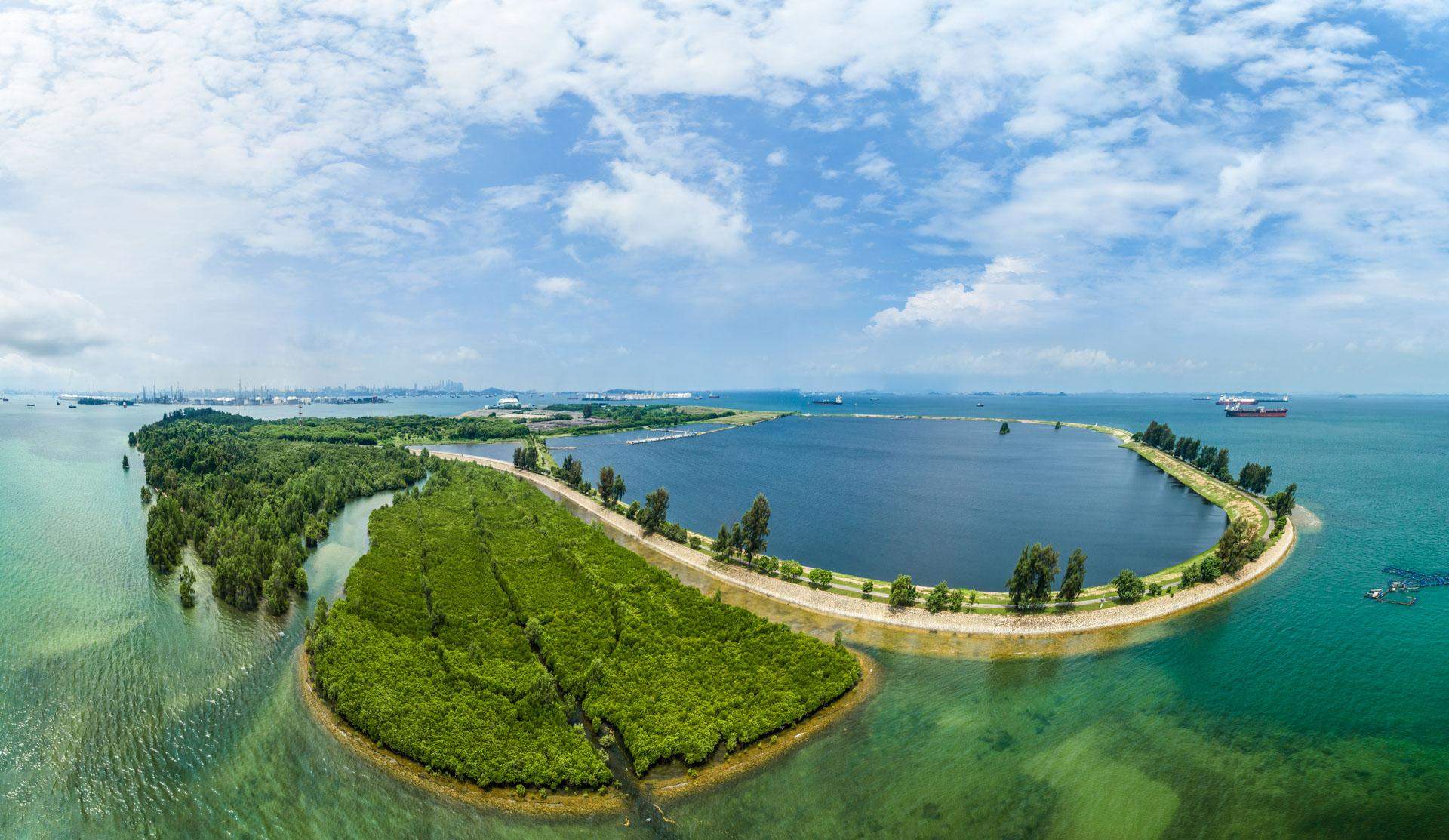
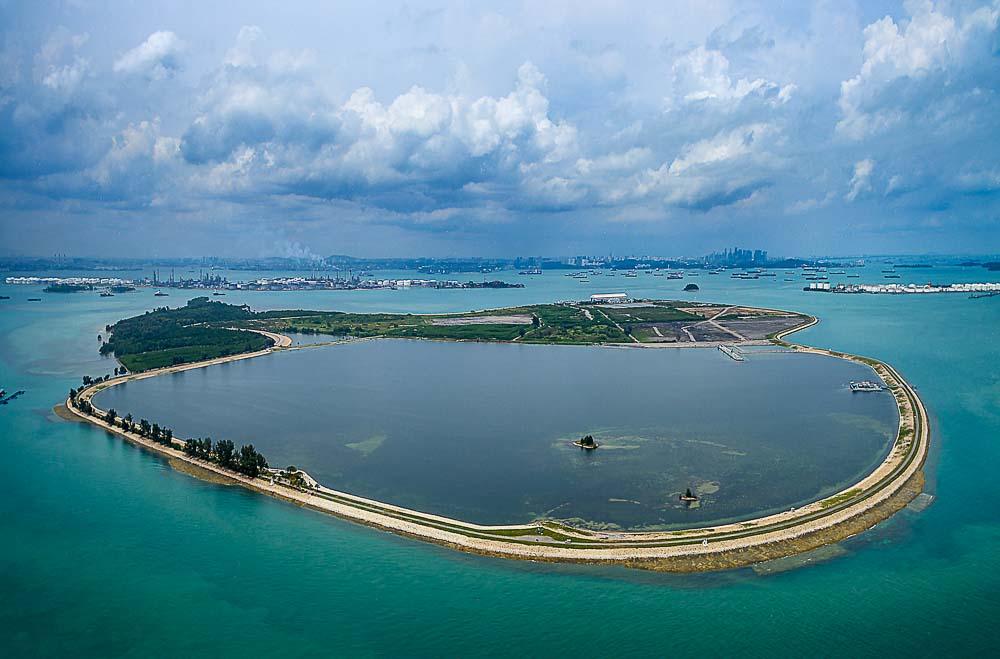
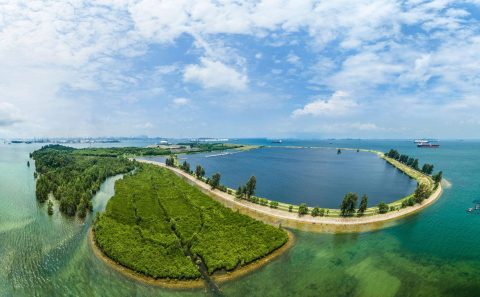
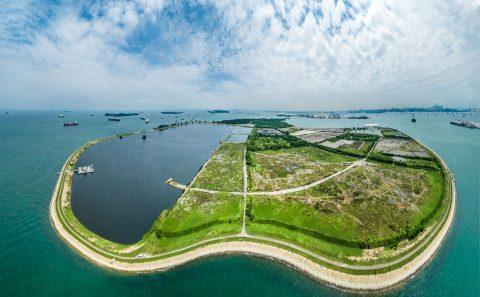
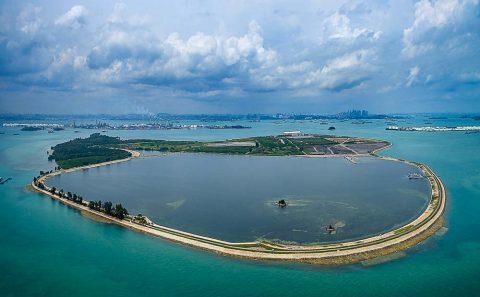
Aerial view of Semakau landfill from the east with Bund 1 fully covered and vegetation growing. Due to the height limitation of the UAV permit in restricted air space, this image requires stitching from multiple shots to create the full image.
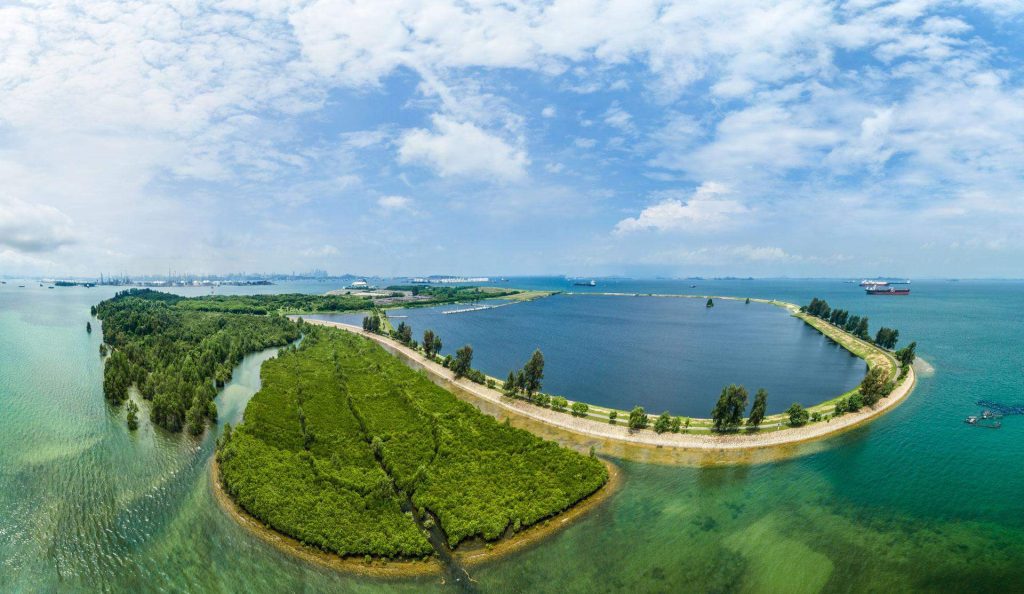
Professional Commercial Industrial Photographer Singapore for aerial photography and videography with drone at Semakau Landfill. Permits from CAAS acquired before the shooting with NEA began.
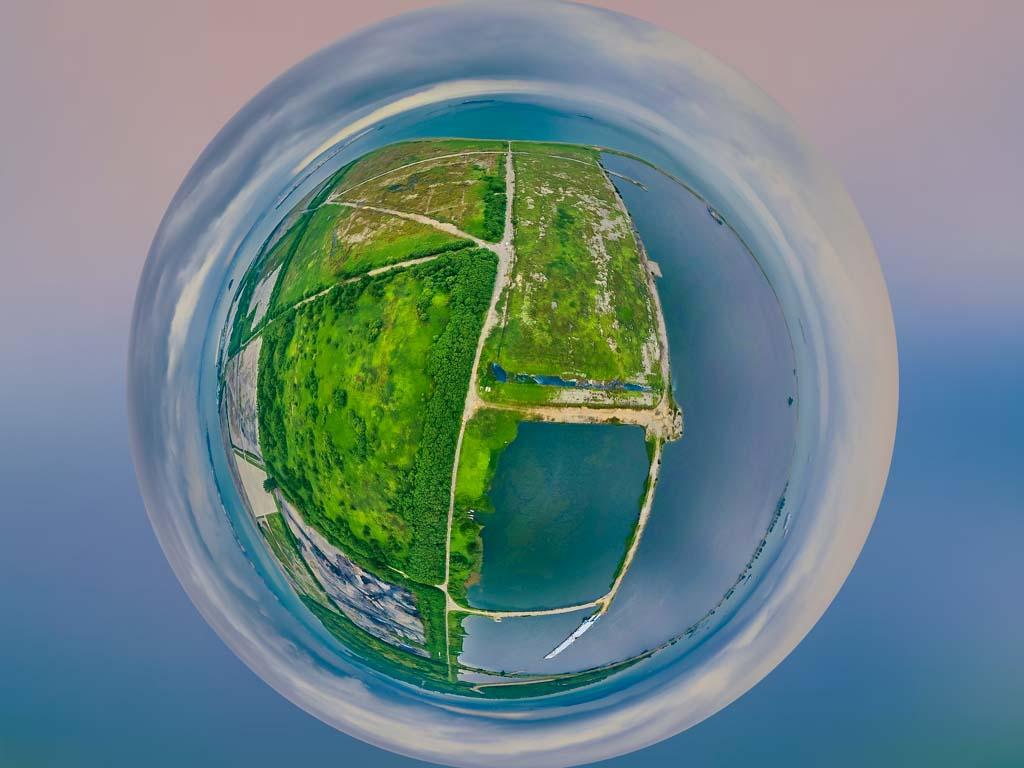
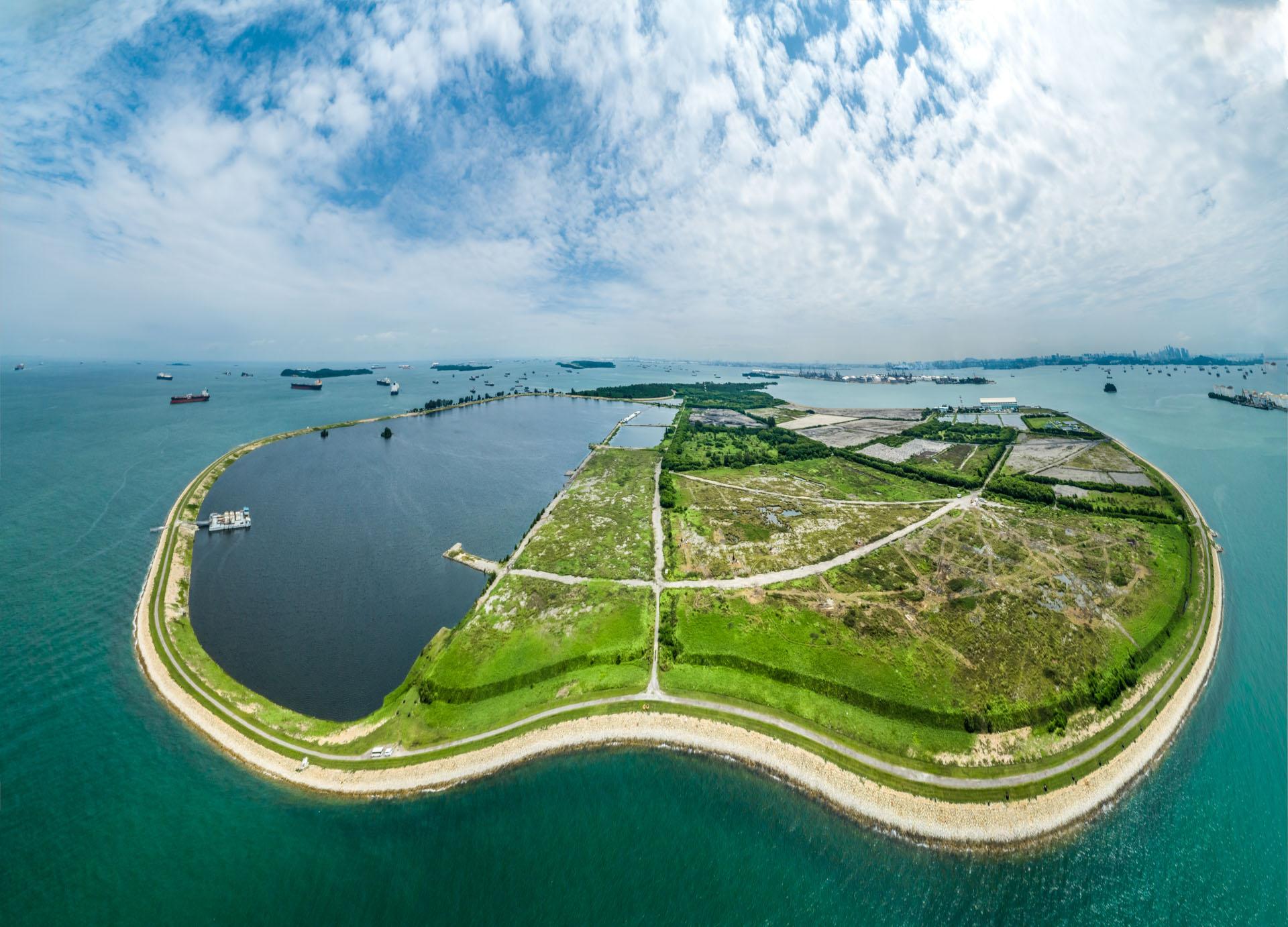
A creative way to show the progress of Semakau Landfill with the NEA. A 360-degree angle allows the full view of the island to be captured by our industrial photographer Singapore without needing to shoot at a much higher height.
Common questions about industrial photography
Why do clients want to document their industrial work and processes?
To show what has been done and what is being done, in a form they can actually publish. Some go further and build their own library of industrial images rather than commission a new shoot every time one is needed — the NEA set at Semakau Landfill is drawn on for collateral, bus-stop advertising, press releases, ministerial briefings, work-progress records and website updates.
Why do organisations build their own industrial image library?
So the images belong to them and can be reused across everything they publish, instead of commissioning a new shoot each time. Because not every use is known on the day, an industrial library is photographed wider than a single campaign needs — plant, construction, landfill and marine operations, and the people running them.
What should an industrial photograph show?
People at work, with the proper branding, the proper safety equipment and the proper procedures in frame. Whether it is a construction site, a manufacturing plant or a landfill operation, the point of industrial photography is to show that the organisation and its staff have the technical skill, the knowledge and the equipment to complete the work.
Are industrial photographs posed, or captured as the work happens?
Most industrial and construction images are captured while the work is actually happening. Where there is a safe opportunity to do so, the action is directed, but the task itself is real.
Why does PPE matter in industrial photography?
Because an image showing the wrong safety equipment, or a procedure being carried out wrongly, is not one a company can publish. Where the PPE on an industrial, construction or landfill site was not correct, the shoot was cut short and those frames were not used. Every industrial image published here meets international and local safety regulations.